English
 Español
 Français
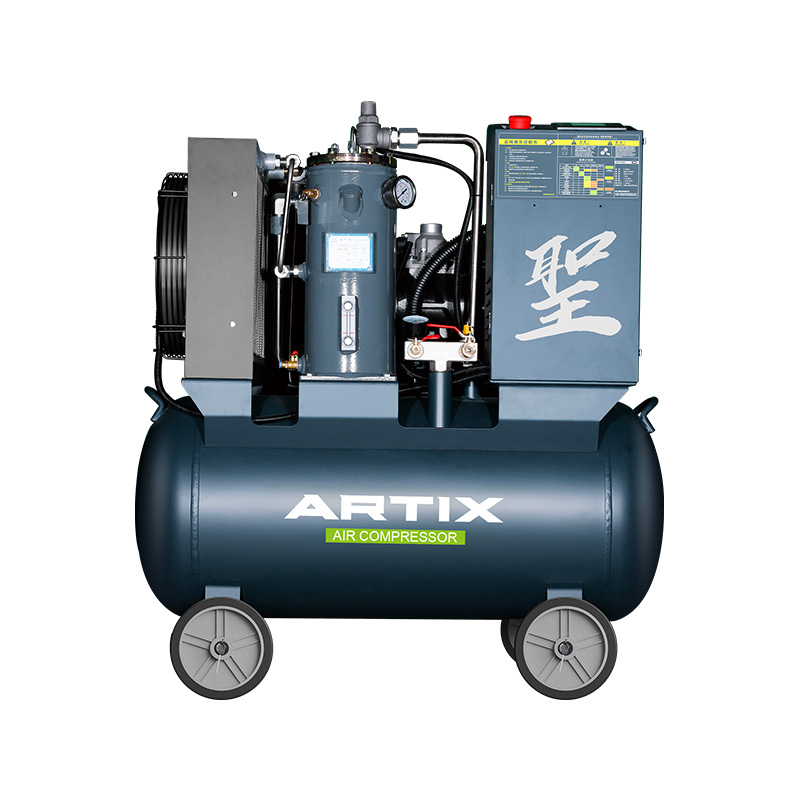
Production expansion often changes compressed air requirements faster than expected. New pneumatic equipment, additional shifts, or increased output can place greater demands on an existing air supply system. Instead of simply choosing a larger machine, buyers need to consider how compressor capacity, operating patterns, installation conditions, and future expansion work together. A properly planned Belt Driven Compressor can give manufacturers more flexibility when production requirements change.
Expansion Changes Air Demand
Adding one machine to a production line may not seem significant, but several new pneumatic processes can create a noticeable increase in compressed air demand. Different equipment may also operate at different times, creating changing load conditions throughout the day.
For this reason, buyers should evaluate the actual air requirements of the expanded production line rather than selecting equipment based only on the specifications of the existing compressor.
Capacity Should Match the Production Plan
Choosing equipment for future growth requires a balance. A compressor that is too small may struggle when production increases, while an unnecessarily large machine can create inefficient operation when demand remains low.
A belt driven compressor manufacturer can evaluate the planned production capacity, working pressure, expected operating hours, and equipment requirements before recommending a suitable configuration.
This approach gives buyers a clearer basis for deciding whether they need a replacement machine, additional capacity, or a customized compressor solution.
Leave Room for Equipment Integration
Production expansion often means more than adding compressor capacity. New dryers, filters, storage equipment, piping, and pneumatic machinery may also need to be integrated into the existing facility.
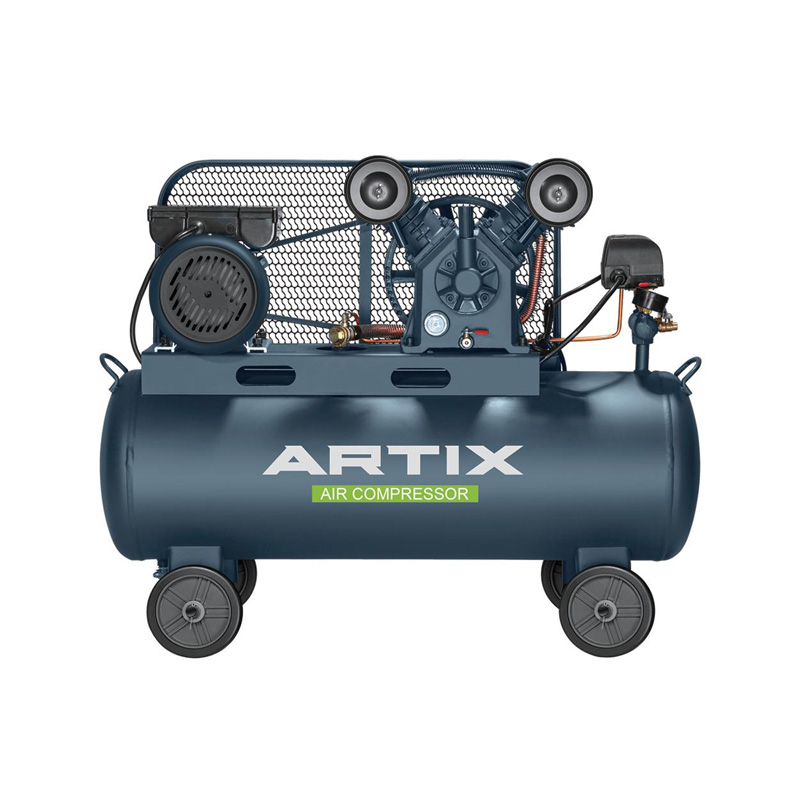
The physical design of the compressor therefore matters. Frame dimensions, connection positions, component arrangement, ventilation space, and service access should be considered alongside performance requirements.
For equipment manufacturers, this means designing the machine with installation and system integration in mind rather than treating the compressor as an isolated unit.
Mechanical Configuration Can Be Adapted
Different production environments may require different combinations of motor, compressor head, belt drive, frame, and control components. A standard configuration may work well for one application but require adjustments for another.
Customization allows the equipment manufacturer to modify the machine according to the buyer's technical requirements while maintaining a coordinated overall structure.
This can be particularly useful for industrial projects where available floor space, electrical conditions, or production equipment create specific installation limitations.
Future Orders Require Consistent Manufacturing
Expansion may happen in stages rather than all at once. A factory could initially purchase several compressors and later order additional units as new production areas come online.
Consistency then becomes an important purchasing consideration. The manufacturer needs to maintain stable component specifications, assembly procedures, dimensions, and inspection standards across repeated orders.
For distributors and enterprise buyers, consistent production can make equipment planning and future replacement much easier.
Testing Becomes More Important as Capacity Grows
As a production facility becomes larger, equipment reliability becomes increasingly important. A compressor supplied for an expanding operation needs to perform according to the agreed specifications before it reaches the customer's facility.
Manufacturers can conduct inspection and testing during production to verify the completed equipment. This helps identify configuration or assembly issues before delivery and provides buyers with greater confidence when integrating new units into their production systems.
A Manufacturer Should Plan Beyond the First Order
A growing factory needs equipment that can support today's production while remaining practical for future development. That does not necessarily mean purchasing the largest compressor available. It means selecting a configuration that reflects current demand, planned expansion, installation requirements, and the way the equipment will be used.
As a Belt Driven Compressor manufacturer, we focus on complete equipment development rather than simply supplying individual components. By combining engineering evaluation, mechanical design, customization, controlled manufacturing, assembly, and testing, we help buyers develop compressor solutions that can adapt to changing production requirements.