English
 Español
 Français
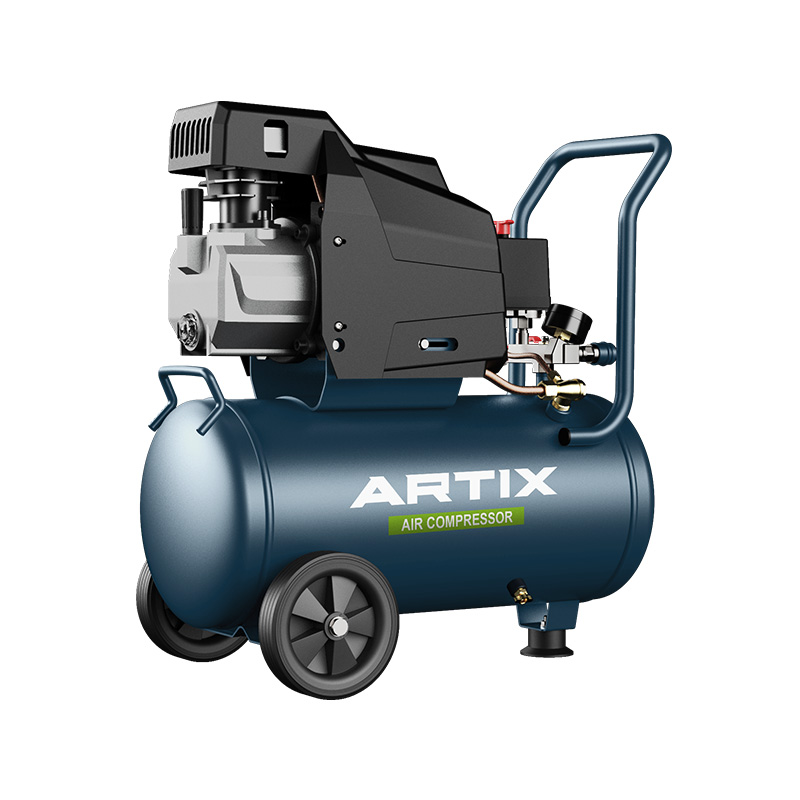
Compressed air is an essential utility in many factories, but choosing a compressor should involve more than comparing motor power or rated pressure. As manufacturers pay closer attention to energy use, operating stability, maintenance, and production demand, the relationship between the drive system and the compressor has become an important purchasing consideration. A Direct Drive Compressor can provide a compact transmission arrangement by connecting the motor directly to the compressor element, but whether it is the right solution depends on the application's air demand, operating pattern, installation environment, and maintenance requirements.
Start With the Factory's Air Demand
Before selecting a compressor, engineers should understand how much compressed air the production line actually consumes and how that demand changes throughout the day. A machine operating under steady demand may require a different configuration from a facility with frequent fluctuations.
The U.S. Department of Energy continues to emphasize evaluating compressed-air demand, system controls, maintenance, and end uses as part of overall system performance. This means compressor selection should begin with the complete air requirement rather than starting with a preferred machine type.
Why Does Direct Drive Matter?
In a direct-drive arrangement, the motor and compressor element are connected without a conventional belt transmission. This can simplify the power-transfer path and eliminate components associated with belt-driven transmission systems.
For buyers, however, the real question is not whether direct drive sounds technically attractive. It is whether the configuration provides a practical advantage for the intended operating conditions. Engineers should consider transmission design, motor efficiency, operating speed, service access, cooling, and the expected duty cycle together.
Match Control Strategy With Changing Demand
A compressor does not always operate under the same load. Production schedules, pneumatic tools, process equipment, and shift patterns can all change compressed-air demand.
Variable-speed control is one established approach for matching compressor output more closely with changing demand. DOE technical guidance explains that variable-speed drives can continuously adjust motor speed to respond to system requirements.
When comparing equipment, buyers should therefore examine:
- Expected minimum and maximum air demand
- Load profile throughout the production cycle
- Required discharge pressure
- Control response
- Interaction with storage and downstream equipment
Efficiency Should Be Viewed at System Level
A compressor's energy performance cannot be judged only from the nameplate. Air leaks, excessive pressure, unsuitable end uses, poor controls, and inadequate maintenance can all influence the overall cost of compressed air.
This is why an efficient compressor should be considered as part of the complete compressed-air system. A well-matched machine may perform differently when operating conditions change, so engineers should evaluate actual demand and system pressure before deciding on equipment capacity.
Maintenance Still Matters
Direct connection can reduce the number of mechanical transmission components, but it does not remove the need for routine maintenance. Filters, cooling components, lubrication systems where applicable, electrical components, and the compressor element still require appropriate inspection and service.
For procurement teams, maintenance access should be discussed before installation. A practical compressor design should allow technicians to perform regular service without creating unnecessary disruption to production.
Consider the Installation Environment
Temperature, ventilation, dust, humidity, available floor space, and surrounding equipment can all affect compressor operation. A compact direct-drive configuration may be useful where installation space is limited, but the complete ventilation and service-access requirements still need to be considered.
Manufacturers should understand the installation environment before recommending a configuration. Providing information about the plant layout and operating conditions can help engineers avoid problems after delivery.
Choose Around the Production Process
A Direct Drive Compressor should ultimately be selected according to the factory's actual compressed-air requirements rather than the drive configuration alone. Air demand, pressure, control method, energy consumption, maintenance access, installation conditions, and future production changes should all be considered together. From a manufacturer's perspective, understanding these operating details before equipment selection is the most practical way to develop a compressor solution that supports stable production and efficient compressed-air management.