English
 Español
 Français
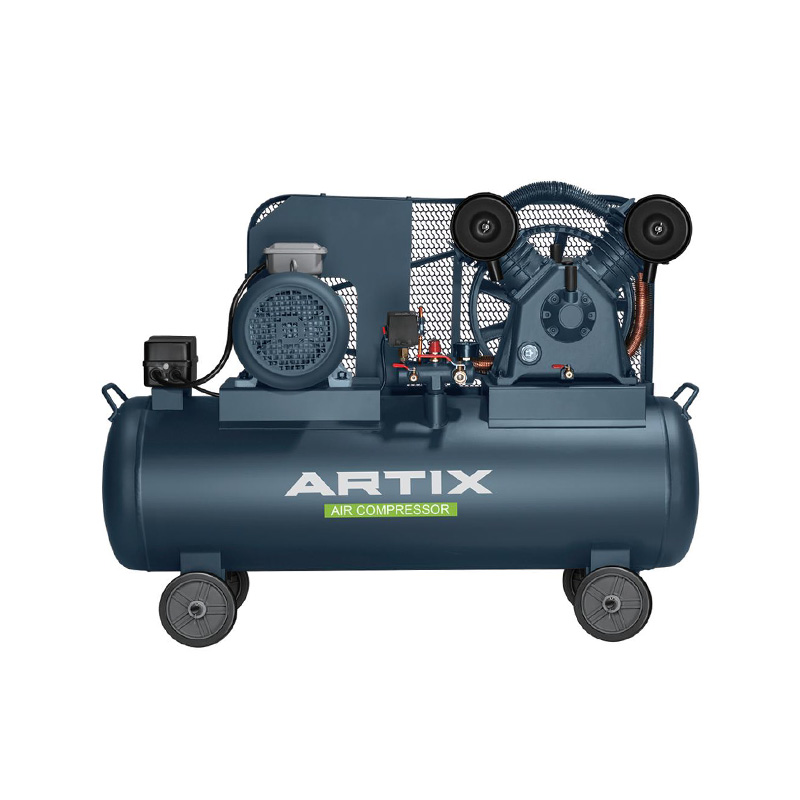
For OEM buyers, selecting a Belt Driven Compressor is about more than finding a machine with the right pressure and capacity. The compressor may need to fit a specific production line, installation space, electrical system, operating schedule, and equipment configuration. As compressed air systems receive more attention for efficiency, reliability, and lifecycle performance, OEM buyers are also looking for manufacturers that can adapt equipment to practical engineering requirements rather than simply supplying standard units.
OEM Projects Require More Than Standard Specifications
A standard compressor may meet basic performance requirements but still create integration problems when it is installed into a larger machine or production system.
OEM projects can involve different requirements for dimensions, connection positions, voltage, control configuration, airflow direction, enclosure structure, or mounting arrangement. These details need to be considered together so that the compressor can work naturally with the customer's equipment.
For an equipment manufacturer, this starts with understanding the complete application before confirming the final configuration.
Mechanical Compatibility Comes First
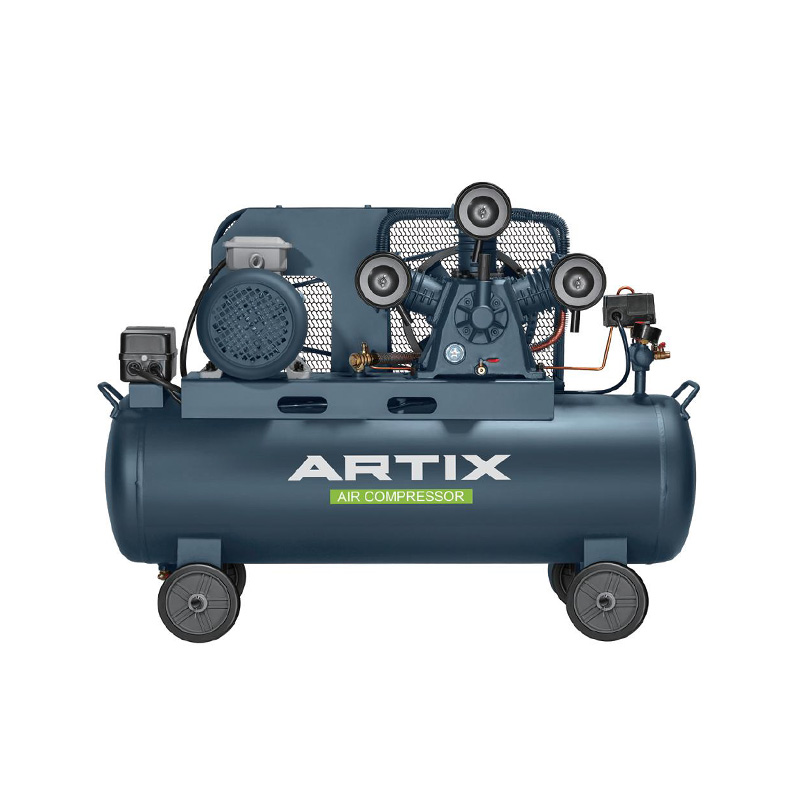
The compressor, motor, belt drive, frame, and other components need to form a coordinated mechanical system. Changing one component can influence the arrangement of the others.
For example, a different motor configuration may require adjustments to the mounting structure or drive arrangement. A different frame size can also affect component accessibility and ventilation.
This is why an experienced belt driven compressor manufacturer should evaluate the complete mechanical layout rather than treating every specification as an independent option.
Electrical Requirements Can Vary by Market
OEM equipment may be supplied to different countries and industrial facilities, creating different electrical requirements. Voltage, frequency, motor configuration, control components, and connection methods may therefore need to be considered during production.
Discussing these requirements before manufacturing helps reduce unnecessary modifications after assembly. It also allows the manufacturer to prepare the equipment according to the buyer's intended market and installation environment.
Customization Should Not Compromise Consistency
Customization is valuable for OEM projects, but buyers also need repeatable production. If the same compressor configuration is ordered repeatedly, every production batch should maintain consistent dimensions, component placement, and assembly quality.
A capable equipment manufacturer can establish production procedures around the approved design so that customized machines remain consistent from one order to the next. This is particularly important for buyers integrating compressors into standardized equipment platforms.
Testing Needs to Match the Final Configuration
Testing should reflect the actual equipment being delivered rather than relying only on individual component inspection.
A completed Belt Driven Compressor can be checked for assembly quality, drive operation, electrical performance, pressure-related performance, and other relevant characteristics according to the agreed specifications.
For OEM buyers, this provides greater confidence that the equipment received will correspond with the configuration approved during the engineering stage.
Documentation Supports Smoother Integration
OEM projects often involve engineering teams, purchasing departments, production staff, and after-sales personnel. Clear technical information helps these teams understand the equipment and manage future orders more efficiently.
Depending on the project, useful documentation may include:
- Product specifications and configuration details
- Electrical and connection information
- Installation requirements
- Component and assembly information
- Inspection or testing records
- Maintenance-related instructions
Good documentation also makes repeat purchasing easier when the same equipment configuration needs to be reproduced later.
A Manufacturing Partner Can Add More Value
The difference between a basic supplier and an equipment manufacturing partner becomes clearer when a project requires customization. OEM buyers need more than a product catalog; they need engineering communication, controlled production, assembly capability, inspection, and reliable delivery.
As a Belt Driven Compressor manufacturer, we focus on developing equipment around the buyer's actual requirements. From initial technical communication and configuration design to component assembly, quality inspection, and final testing, our approach is built around producing complete equipment that can be integrated into demanding OEM applications.