English
 Español
 Français
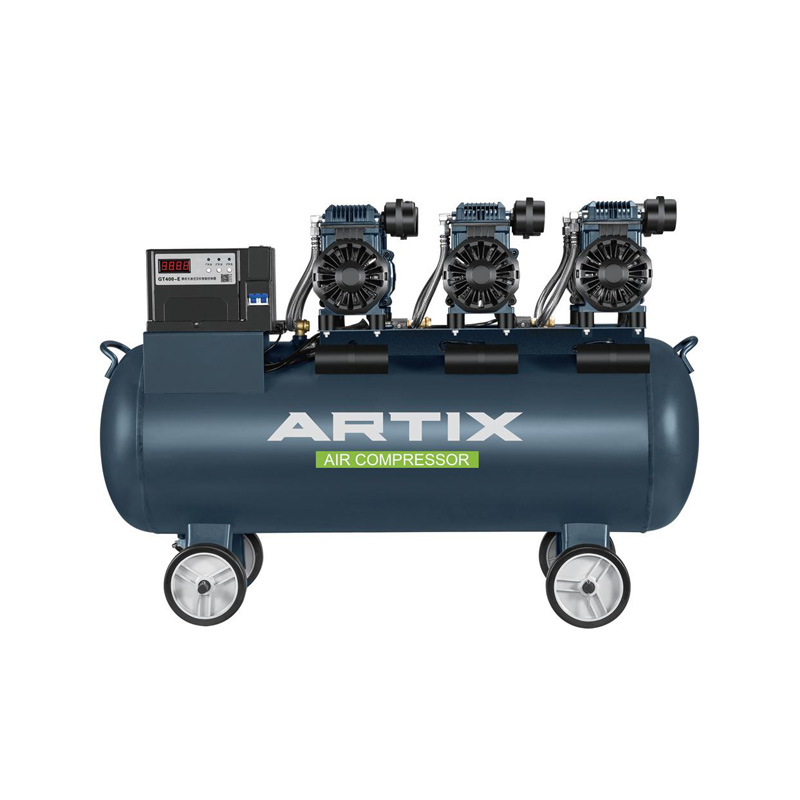
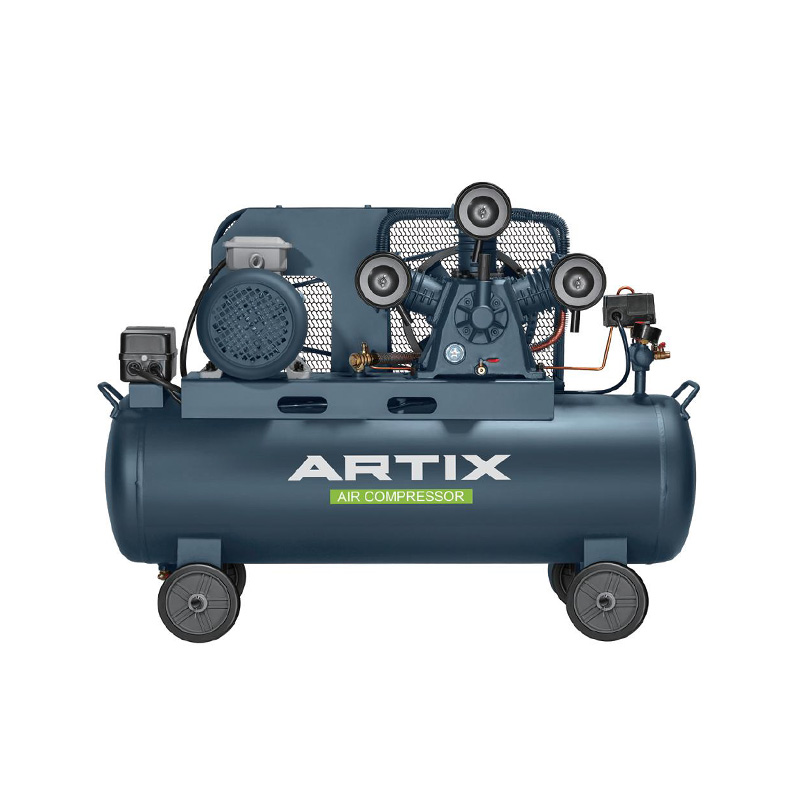
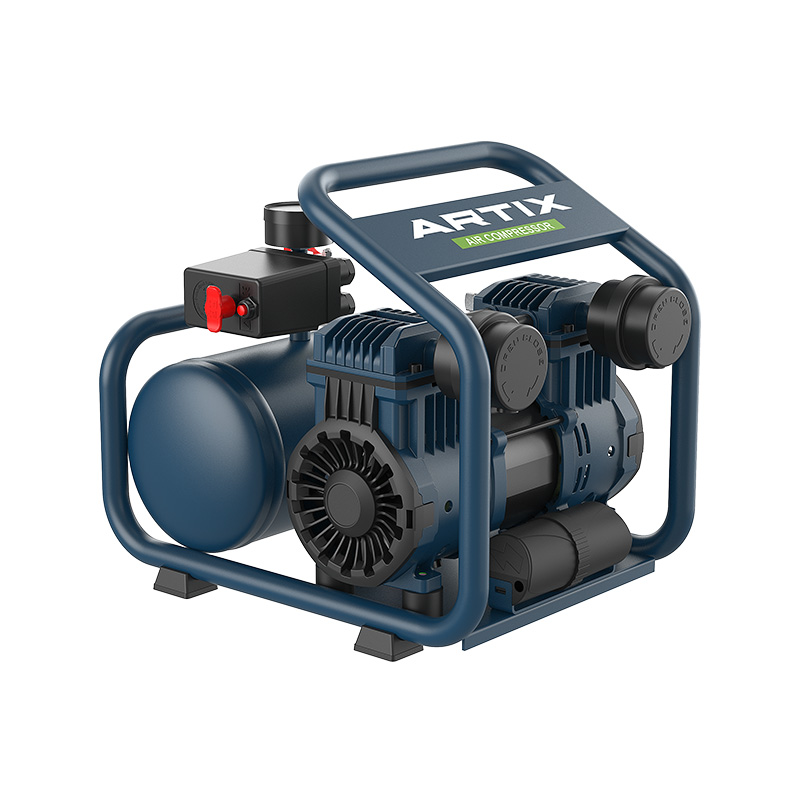
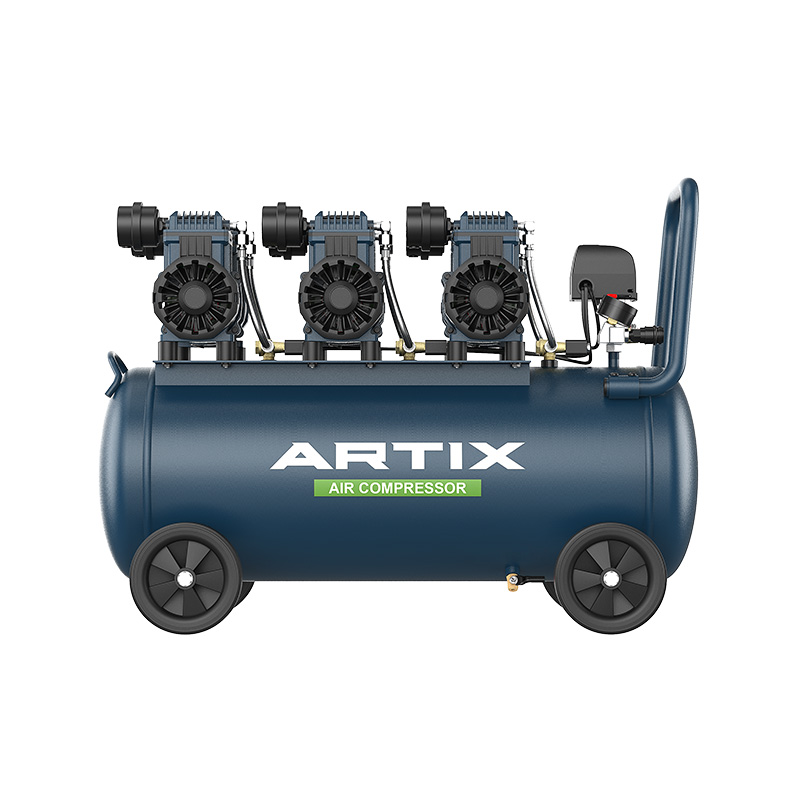
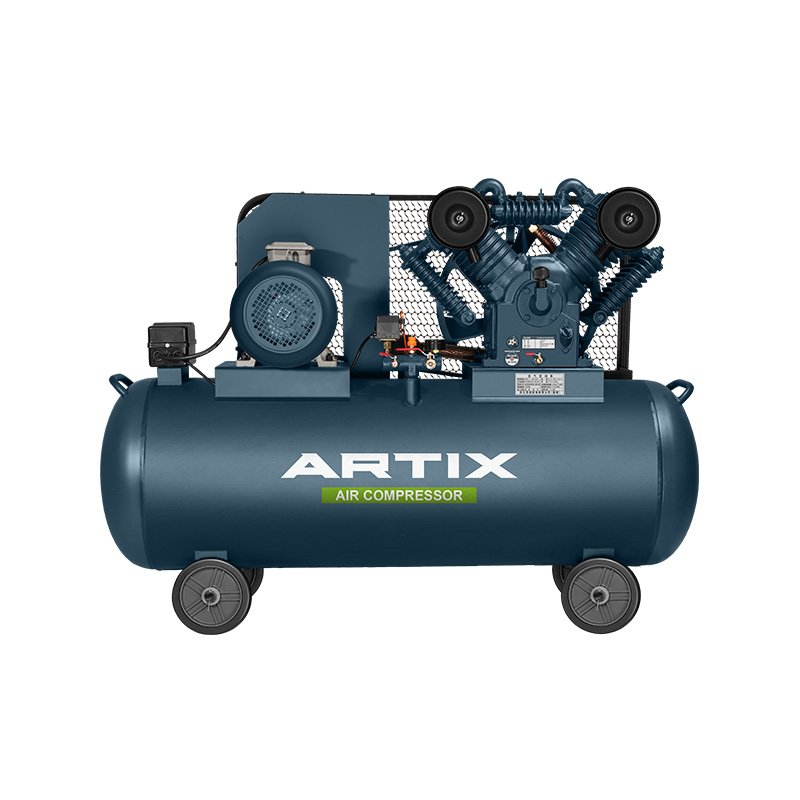
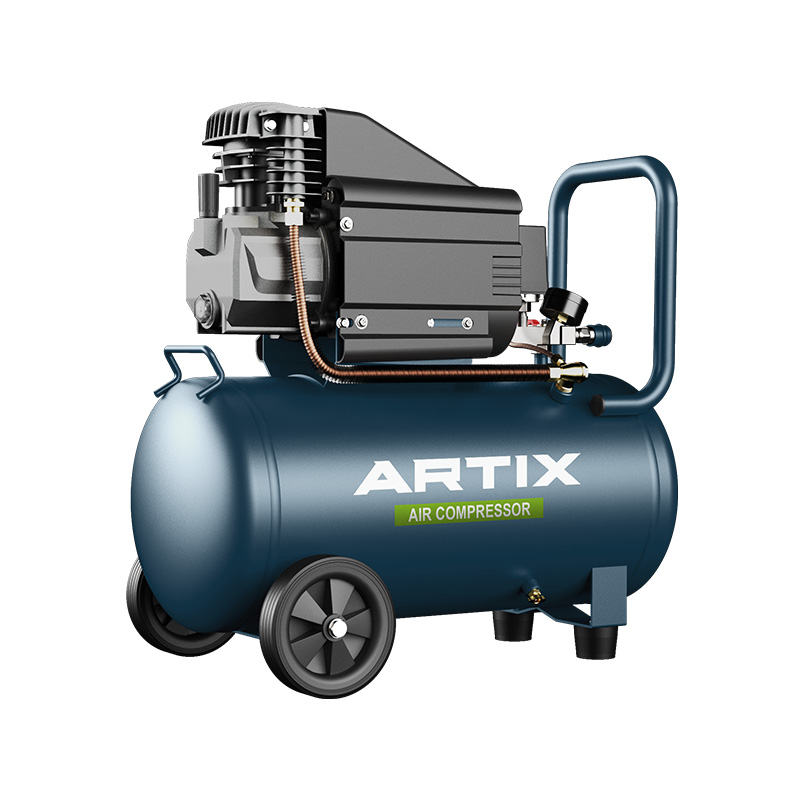
Industrial facilities are paying closer attention to compressed air efficiency as they review operating costs, production stability, and equipment maintenance. However, selecting a compressor based only on motor power or advertised output can lead to a mismatch between the machine and the actual demand. A Direct Drive Compressor connects the motor and compression element through a direct drive arrangement, avoiding the belt transmission used in belt-driven designs. For overseas buyers, understanding how this configuration fits the application is an important step toward making a practical purchasing decision.
Match Air Delivery to Actual Demand
Before selecting a compressor, buyers should understand how much compressed air their equipment consumes during normal production. A machine that supplies insufficient air may struggle to support connected tools, while an oversized unit can increase initial investment and may operate inefficiently if its control system is poorly matched to demand.
Manufacturers can help buyers evaluate the required air delivery, working pressure, operating hours, and expected changes in consumption. It is also useful to distinguish between average demand and short periods when several machines operate simultaneously. These details provide a more reliable basis for choosing compressor capacity than motor power alone.
Understand the Direct Drive Configuration
In a direct drive design, the motor transfers power directly to the compression element without a belt transmission. This arrangement can reduce belt-related maintenance tasks and eliminate losses associated with belt transmission, although actual energy performance depends on the complete compressor design and operating conditions.
For procurement teams comparing different compressor structures, the drive arrangement should be considered alongside the compression technology, motor characteristics, cooling system, and control method. A direct connection does not automatically guarantee lower energy consumption in every application, so buyers should review performance information under relevant operating conditions.
Consider Changes in Production Load
Compressed air demand rarely remains identical throughout an entire working day. Some facilities operate continuously, while others experience frequent production stops, shift changes, or fluctuations in the number of machines running.
These operating patterns influence compressor selection. Buyers should ask how the unit responds to changing demand and whether its control strategy suits the facility's workload. For applications with substantial variations in air consumption, the available control options and operating range deserve particular attention.
A manufacturer that understands the intended duty cycle can help determine whether a fixed-speed model or another configuration is more appropriate for the application.
Review Installation and Operating Conditions
A compressor must work within the conditions of the facility where it will be installed. Ambient temperature, ventilation, dust exposure, available floor space, and access for maintenance can all influence equipment performance and service requirements.
Before confirming an order, buyers should check:
- Available installation space and required service clearances
- Ventilation and cooling requirements
- Electrical supply and connection specifications
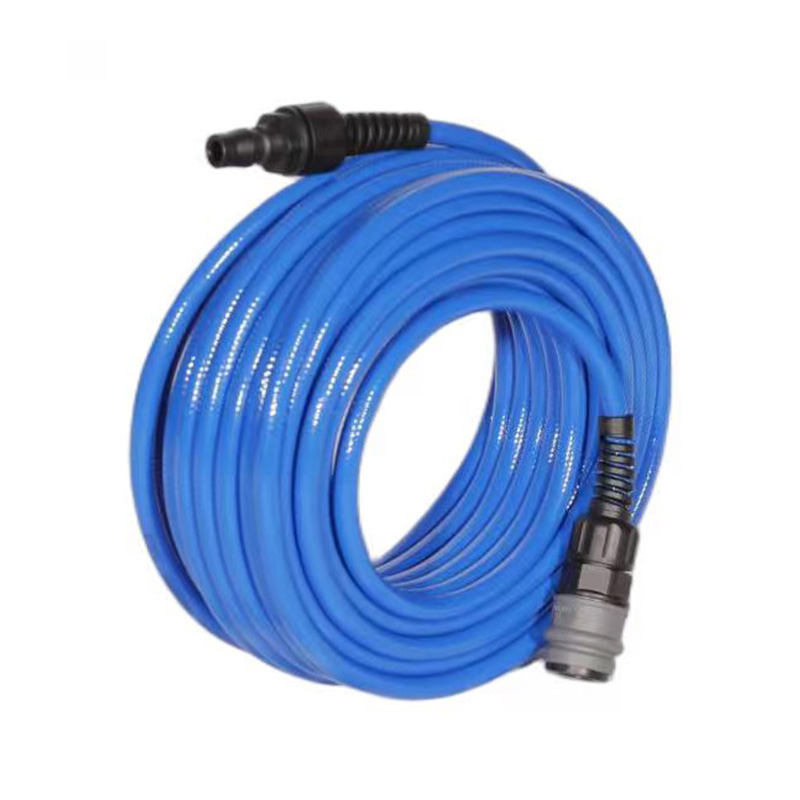
- Air outlet configuration and pipeline compatibility
- Noise considerations for the intended working area
- Access to routine inspection and maintenance points
Discussing these details before shipment can help prevent installation delays and reduce the need for adjustments after delivery.
Look Beyond the Initial Purchase Price
The purchase price is only one part of compressor ownership. Electricity consumption, scheduled maintenance, consumable parts, and potential production interruptions can also affect the total cost over the equipment's service life.
A useful comparison should therefore include expected operating hours, required pressure, air demand, maintenance intervals, and the manufacturer's stated performance data. Buyers should also clarify which service items require routine attention and whether replacement parts are available for the intended market.
This approach supports a more informed decision than comparing quotations without considering the conditions under which each compressor will operate.
Evaluate Maintenance Access and Product Support
Maintenance requirements can influence how easily a compressor fits into a production schedule. A design that allows technicians to access inspection points and service components without unnecessary disassembly can make routine work more manageable.
When evaluating a supplier, buyers should ask for the operation manual, maintenance schedule, recommended spare parts, and technical support arrangements. They should also confirm which tasks can be handled by in-house maintenance personnel and which require qualified service technicians.
From the manufacturing side, clear documentation and consistent component specifications help customers plan maintenance and manage repeat purchases.
Select a Compressor Around the Application
Choosing the right Direct Drive Compressor requires more than comparing headline specifications. Air demand, operating pressure, load variation, installation conditions, maintenance access, and long-term operating costs all contribute to the final decision. For overseas distributors, industrial users, and equipment procurement teams, sharing these requirements with a manufacturer early in the selection process helps narrow the available configurations and clarify technical expectations. When the compressor is matched to the real application, buyers can make a more confident investment in reliable compressed air supply.