English
 Español
 Français
Choosing a high quality air compressor and understanding how to keep it running smoothly is essential for any facility that depends on compressed air. Whether sourcing equipment from global suppliers or compressor China manufacturers, users often encounter similar questions about maintenance, performance issues, and long‑term reliability.
1. Recognizing Early Signs of Trouble
Users frequently report that their air compressor starts exhibiting unusual behavior before a significant failure occurs. These signs can act as early warnings if addressed promptly:
Unusual noises or vibrations — often a sign of worn bearings, misaligned belts, or loose components.
Pressure instability — inconsistent or fluctuating pressure levels may indicate clogged intake filters, worn piston rings, or issues with regulators.
Frequent cycling — repeated starting and stopping can suggest mismatched system size or underlying control issues.
Spotting these problems early allows you to plan corrective actions before they escalate into costly downtime. Well‑designed high quality air compressor systems from reputable suppliers often include diagnostic indicators and better component tolerances, which help in early detection.
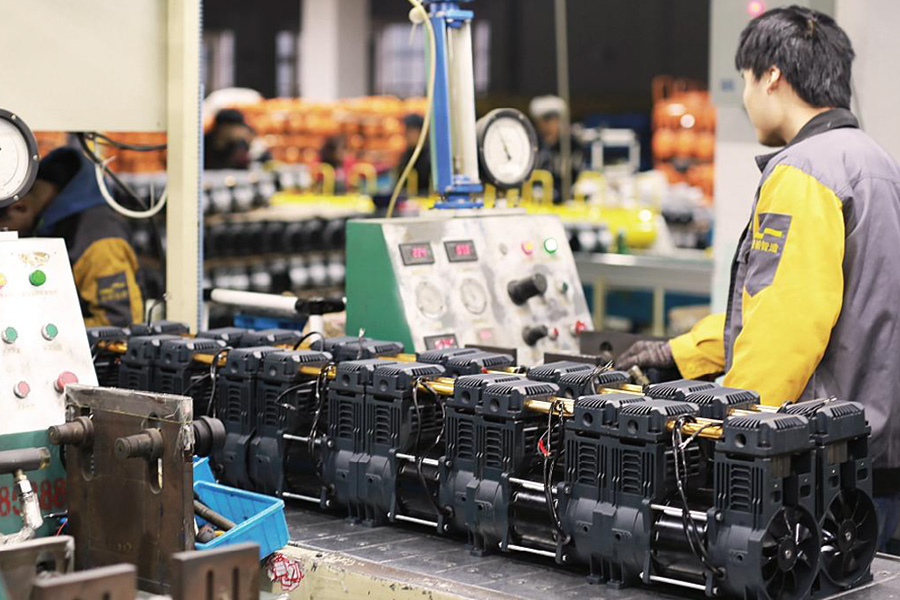
2. Maintenance Mistakes That Impact Performance
Many reliability concerns stem not from manufacturing defects but from common maintenance mistakes that users overlook. Proper upkeep extends machine life and prevents avoidable breakdowns:
Ignoring air leaks: Small leaks in hoses or connections can waste compressed air and force your compressor to work harder, decreasing efficiency. Regular leak detection checks are crucial.
Neglecting condensation management: Moisture buildup in tanks and air lines can affect lubrication, corrode internal parts, and cause air contamination.
Skipping regular inspections: Daily or weekly checks of filters, belts, and oil levels help maintain stable operation and prevent small issues from growing.
For industrial facilities, structured preventive maintenance programs that schedule oil changes, filter replacements, and condensate drainage — potentially supported by service teams — reduce the risk of unexpected failures and maximize uptime.
3. Electrical and Control System Issues
Beyond mechanical wear, electrical and control problems can disrupt compressor operations:
Overheating and motor stress: Running compressors beyond recommended intervals or in hot, poorly ventilated environments can cause overheating, trigger safety shutdowns, or reduce compressor life.
Electrical overloads or faults: Systems that repeatedly trip breakers or show abnormal electrical behavior often point to underlying wiring, load compatibility, or component failures.
Ensuring that your facility’s electrical infrastructure is compatible with compressor requirements — especially in industrial setups with three‑phase power — is essential to avoid these issues. Regular testing and calibration of control systems can also help guarantee stable performance over time.
4. Environmental and Usage Challenges
Different operating environments pose unique challenges that affect compressor longevity and performance:
Temperature extremes: Cold starts in winter and hot discharge air in summer can stress equipment. Proper temperature control and insulation help maintain stability.
Corrosive or humid conditions: Coastal or high‑humidity environments may contribute to faster corrosion. Using protective coatings, corrosion‑resistant components, and appropriate placement can mitigate these effects.
Selecting compressors that are engineered for your specific environment — including those offered by seasoned compressor China manufacturers with strong quality controls — can significantly reduce environmental impact on reliability.
5. Practical Tips to Improve System Reliability
To maximize uptime and long‑term performance of your compressed air system:
Train operators on basic maintenance tasks and safety checks — informed users catch problems sooner.
Document maintenance history to spot recurring issues and schedule timely interventions.
Use quality consumables and parts to maintain consistent performance. Investing in proper oil, filters, and components helps sustain stable operations.
Companies like Artix Machinery Co., Ltd. emphasize responsive support and clear maintenance guidance alongside their compressors to assist users with these aspects, improving reliability and service response.
Reliable compressor performance doesn’t happen by chance — it results from proactive maintenance, early detection of anomalies, and appropriate application design. By understanding frequent concerns such as unusual noises, pressure issues, air leaks, and environmental challenges, you can significantly improve your system’s uptime and lower operational costs. With informed operation and proper maintenance strategies, your air compressor investment will deliver dependable service for years.