English
 Español
 Français
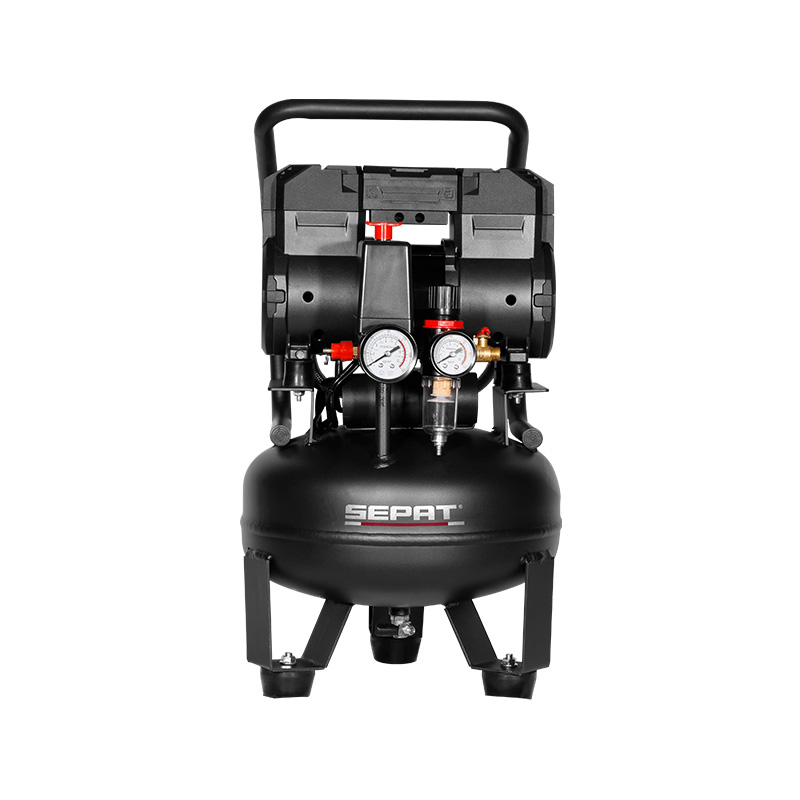
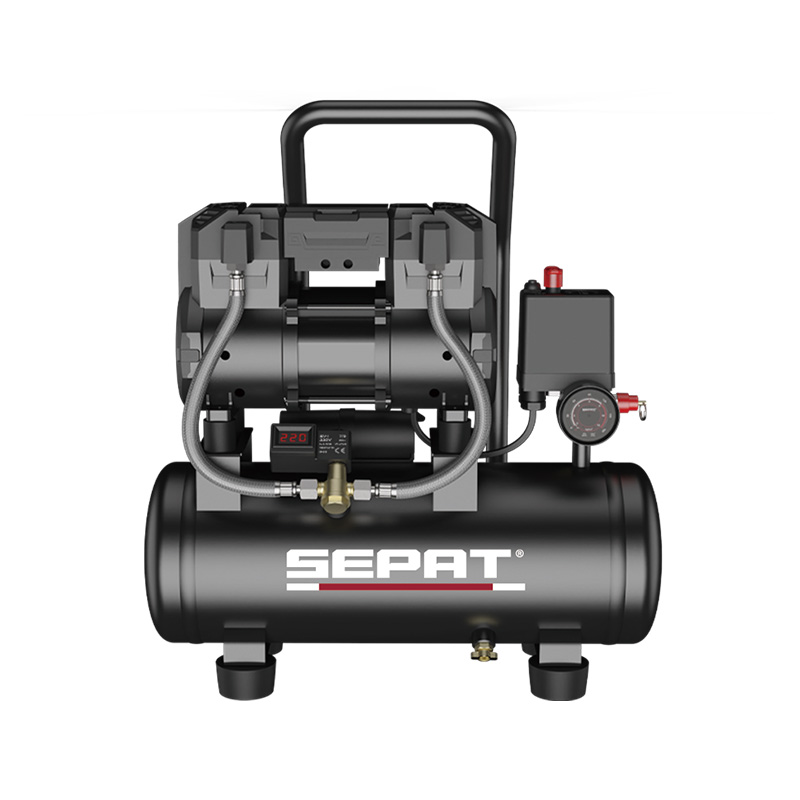
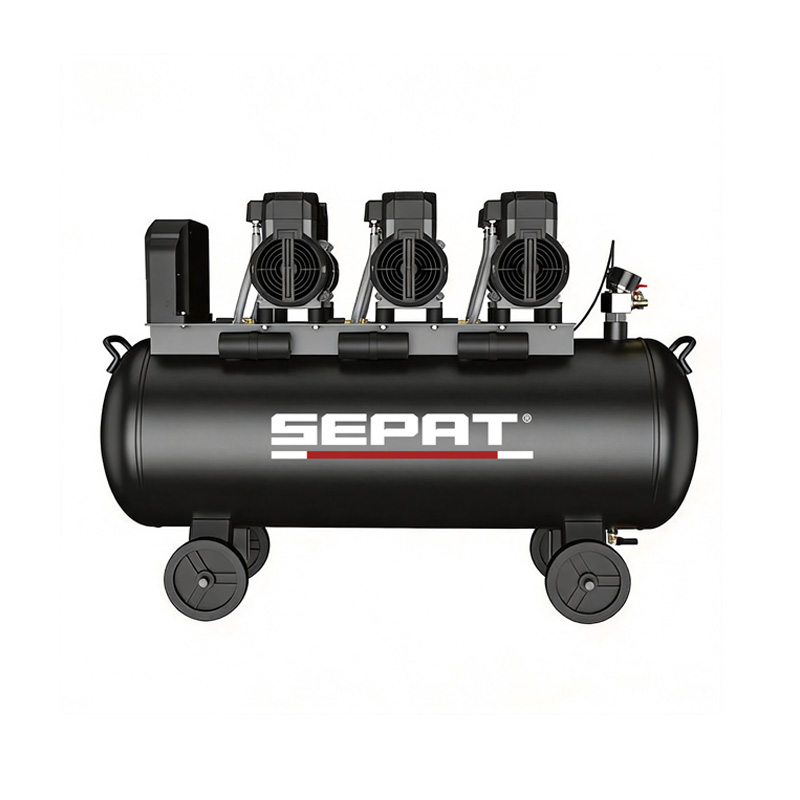
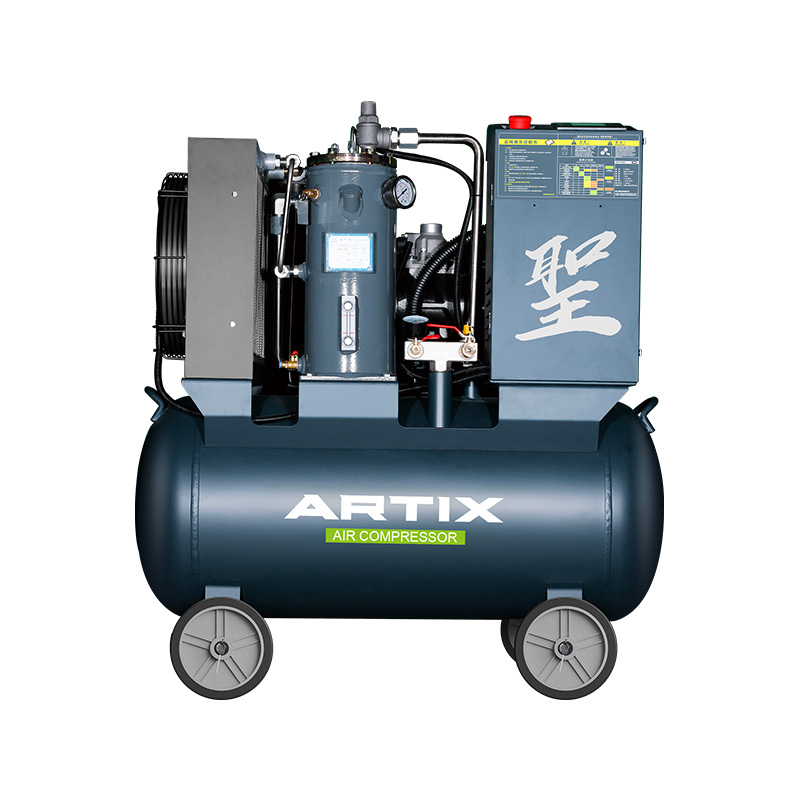
Global manufacturing is moving toward higher precision, stricter contamination control, and more energy-efficient production systems. From electronics assembly to pharmaceuticals and food packaging, compressed air quality is now directly linked to product safety and compliance performance. As a result, the Industrial Oil Free Air Compressor is increasingly adopted by manufacturers who need stable, contamination-free airflow while meeting modern efficiency and sustainability expectations across diverse industrial environments.

Stricter Regulations Are Driving Demand for Clean Air Systems
Industrial regulations in many regions are becoming more demanding, especially in sectors where air purity directly impacts product safety. Companies are now required to document and maintain consistent air quality standards.
Common search trends among buyers include:
- Oil-free air compressor for food-grade production
- Clean compressed air systems for pharmaceuticals
- ISO compliant industrial air solutions
- Contamination-free factory air supply systems
These trends highlight the growing importance of regulatory compliance in procurement decisions.
Why Even Minor Contamination Creates Major Production Risks
In modern production environments, even small amounts of oil contamination in compressed air can lead to serious quality issues. This risk is especially critical in sensitive industries where product integrity must be guaranteed.
Key concerns include:
- Surface defects in coating and painting processes
- Contamination in food and beverage production lines
- Damage to precision electronic components
- Increased rejection rates in quality inspection
- Higher cleaning and maintenance workloads
These challenges are pushing manufacturers toward fully oil-free solutions.
Energy Optimization Is Becoming a Core Engineering Focus
As energy costs continue to fluctuate globally, manufacturers are paying closer attention to compressor efficiency and long-term operating costs. Energy-saving performance is now a key purchasing factor.
Important considerations include:
- Stable airflow under variable production loads
- Reduced energy consumption during partial load operation
- Intelligent pressure control systems
- Efficient motor and drive configurations
These improvements help factories reduce operational expenses while maintaining stable output.
Maintenance Efficiency and Production Uptime Requirements
Industrial operators are increasingly focused on reducing downtime and simplifying maintenance procedures. Oil-free systems are often preferred due to their cleaner internal structure and lower contamination risk.
Key operational expectations include:
- Longer maintenance intervals
- Reduced risk of internal wear caused by oil residue
- Easier system inspection and servicing
- Stable performance during continuous operation
This supports higher productivity and more predictable production scheduling.
Expanding Industrial Applications Across Global Markets
Oil-free compressed air technology is no longer limited to specialized industries. Its adoption is expanding across a wide range of manufacturing sectors that require consistent air purity.
Major application areas include:
- Semiconductor and electronics manufacturing
- Pharmaceutical and laboratory environments
- Food and beverage production lines
- Automotive finishing and assembly systems
- Precision instrumentation and testing facilities
This broad applicability is driving continuous global demand growth.
Smart Manufacturing Is Changing Compressor Requirements
With the rise of Industry 4.0, compressed air systems are increasingly integrated into automated production networks. Buyers expect smarter monitoring, control, and predictive maintenance capabilities.
Key system expectations include:
- Real-time performance monitoring
- Automated pressure regulation
- Integration with factory control systems
- Predictive maintenance alerts
These features help manufacturers improve efficiency and reduce unexpected downtime.
Future Outlook for Oil-Free Compressed Air Technology
As global industries continue to prioritize clean production, energy efficiency, and regulatory compliance, demand for advanced compressed air systems will continue to rise. Buyers are increasingly evaluating long-term performance, system intelligence, and operational stability rather than focusing only on initial cost.
In this evolving market, the Industrial Oil Free Air Compressor will remain a key technology supporting contamination-free manufacturing, improving production reliability, and enabling sustainable industrial development across global supply chains.