English
 Español
 Français
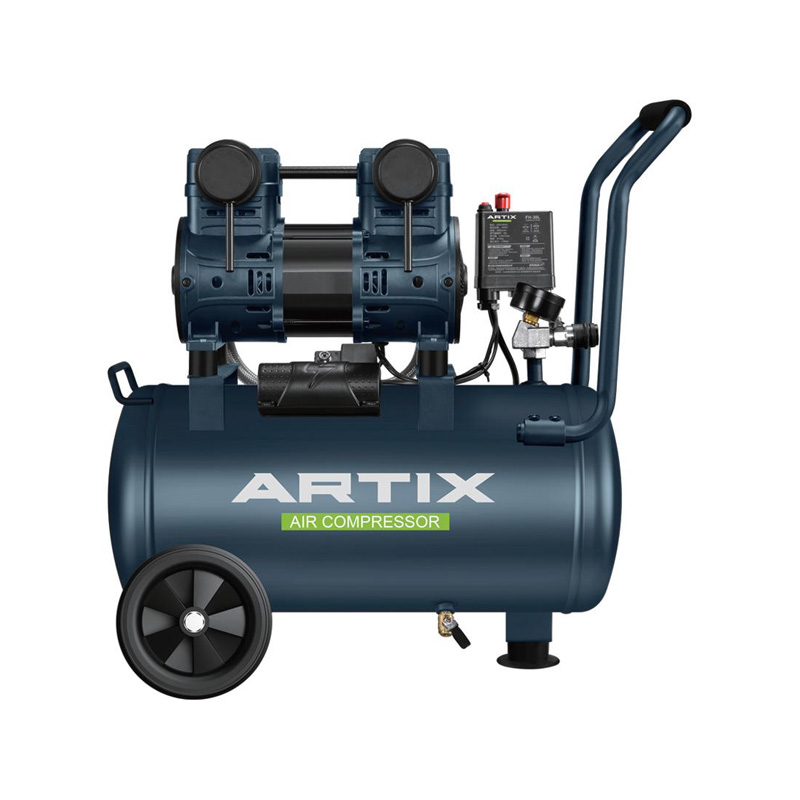
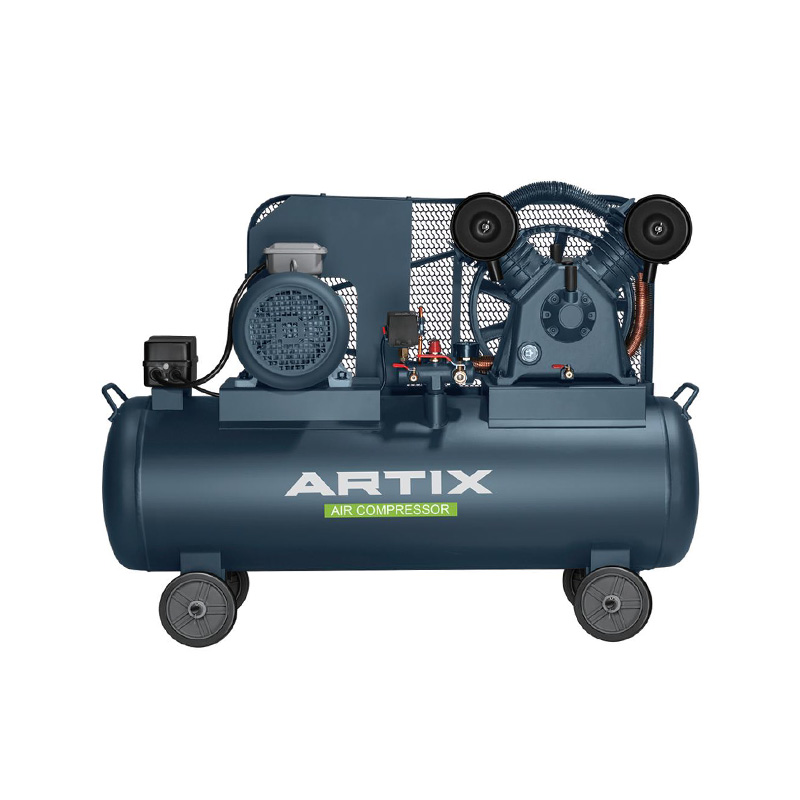
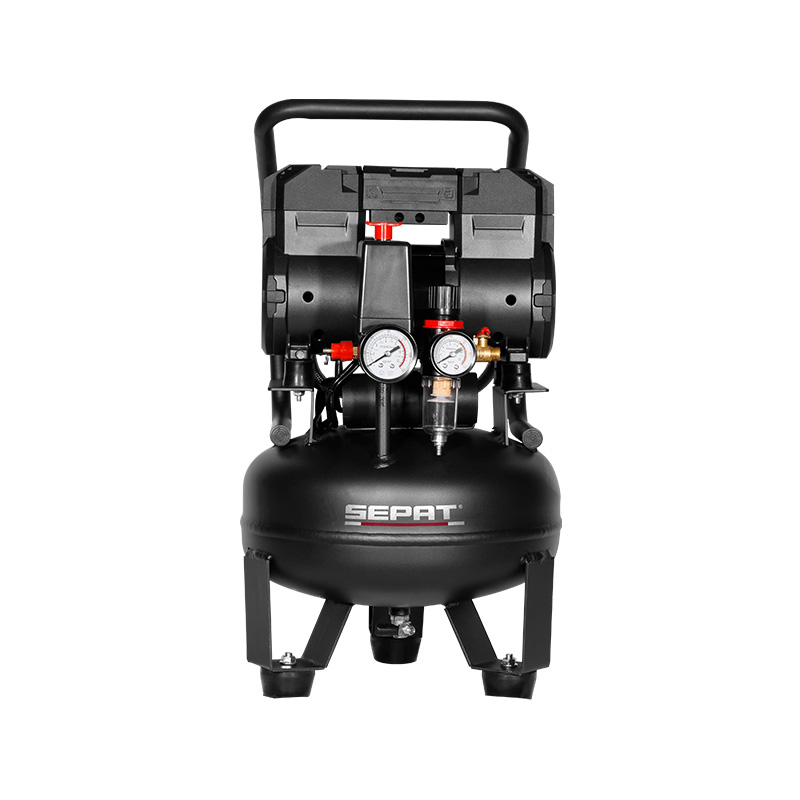
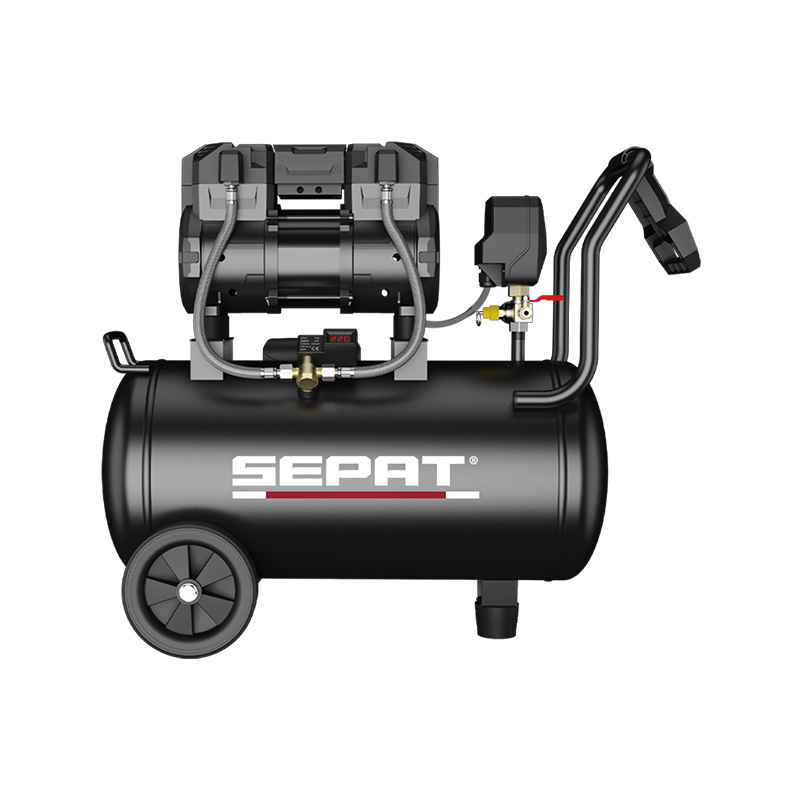
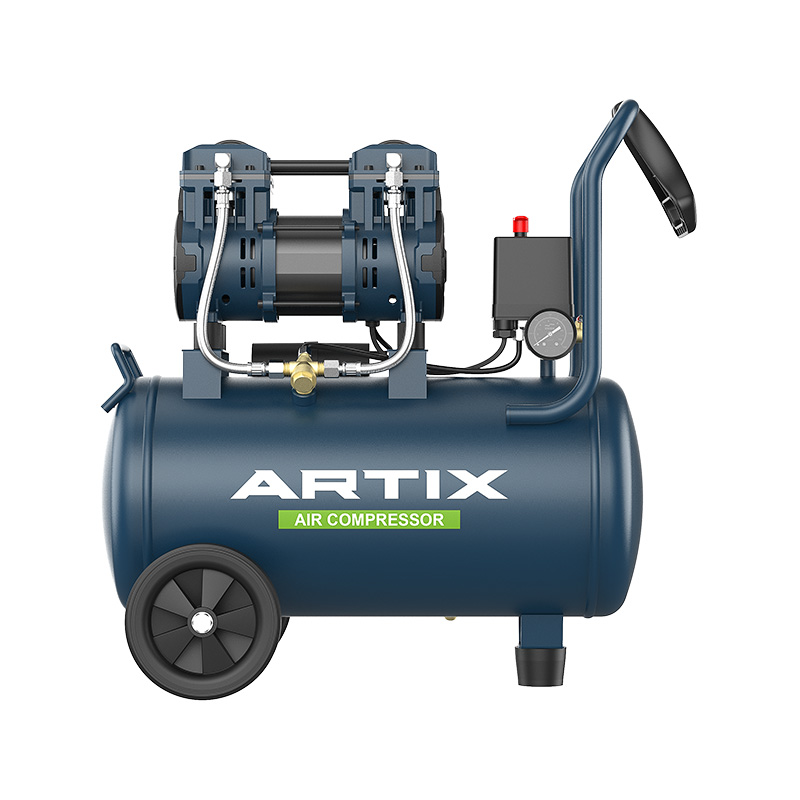
Across manufacturing, healthcare, food processing, and precision electronics industries, compressed air quality has become a core operational requirement rather than a secondary utility. Companies are increasingly concerned about contamination risks, energy efficiency, and long-term maintenance costs when selecting air systems. In this context, the Industrial Oil Free Air Compressor is gaining strong attention from global buyers who need clean, stable, and reliable air supply for sensitive production environments where even minor oil contamination can affect product quality.
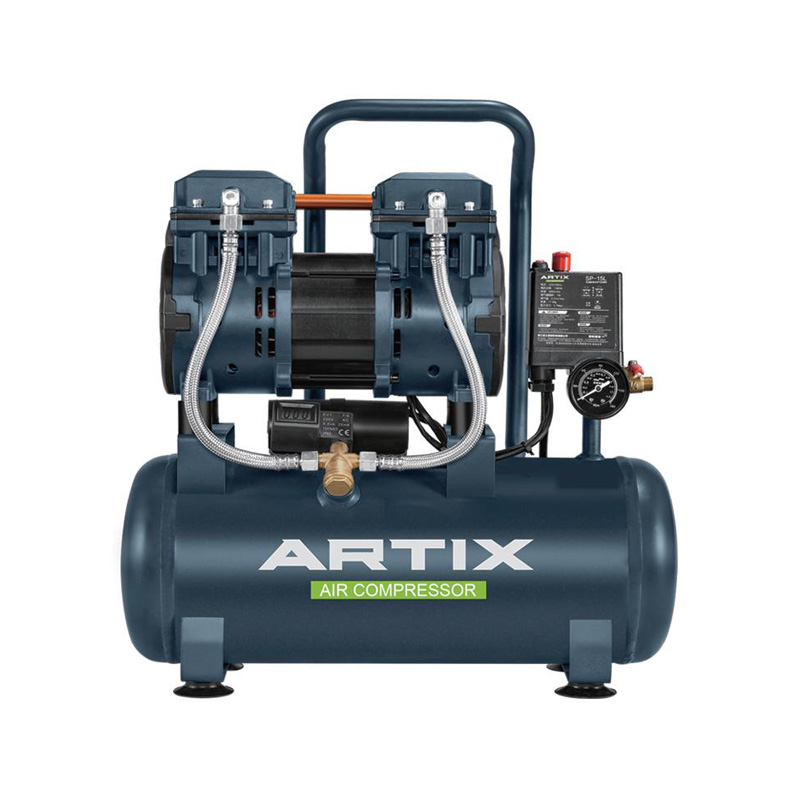
Rising Demand for Clean Air in Sensitive Production Environments
Recent procurement trends show that buyers are prioritizing air purity more than ever before, especially in industries where product contamination is not acceptable. This shift is being driven by stricter global regulations and higher product quality expectations.
Common search interests include:
- Oil-free compressed air systems for manufacturing
- Clean air solutions for food production lines
- Medical-grade air compressor systems
- Low-maintenance industrial air solutions
These trends reflect a broader move toward contamination-free production environments.
Why Oil Contamination Has Become a Major Concern
Even trace amounts of oil in compressed air systems can lead to serious production issues, especially in high-precision industries. Manufacturers are increasingly aware of the risks associated with traditional lubricated systems.
Key concerns include:
- Product contamination in food and pharmaceutical processes
- Damage to sensitive electronic components
- Increased cleaning and maintenance requirements
- Unstable air quality in continuous production lines
- Compliance risks in regulated industries
As a result, oil-free systems are becoming a preferred standard in many applications.
Energy Efficiency Is Now a Key Purchasing Factor
Beyond air purity, energy consumption has become a major decision-making factor for industrial buyers. Rising energy costs and sustainability targets are pushing companies to evaluate compressor efficiency more carefully.
Important evaluation criteria include:
- Stable airflow with reduced energy usage
- Variable speed control for load adjustment
- Reduced system pressure loss
- Optimized operational efficiency during long cycles
These factors directly influence total operating cost over the equipment lifecycle.
Maintenance Reduction and Operational Stability
One of the key advantages of oil-free systems is reduced maintenance complexity. Industrial operators are increasingly looking for equipment that can run reliably with minimal downtime.
Typical maintenance expectations include:
- Fewer consumable replacement requirements
- Reduced risk of internal contamination buildup
- Longer service intervals
- Stable performance in continuous operation environments
This helps factories improve production uptime and reduce operational interruptions.
Application Expansion Across Multiple Industries
Oil-free compressed air systems are no longer limited to niche sectors. Their use is expanding across a wide range of industries that require clean and stable air supply.
Key application areas include:
Food and beverage processing
- Pharmaceutical and medical manufacturing
- Electronics and semiconductor production
- Automotive painting and assembly lines
- Laboratory and precision testing environments
This expansion is driving steady global demand growth.
Engineering Reliability and System Integration Requirements
Modern industrial buyers expect air compressor systems to integrate seamlessly into automated production environments. Reliability, control precision, and system compatibility are now key evaluation factors.
Common procurement requirements include:
- Stable pressure output under variable loads
- Compatibility with factory automation systems
- Intelligent monitoring and control functions
- Long-term operational durability
Manufacturers that provide strong engineering support are better positioned in global markets.
Future Outlook for Oil-Free Compressed Air Technology
As industries continue to focus on product purity, energy efficiency, and sustainable manufacturing, demand for advanced compressed air solutions is expected to grow steadily. Buyers are increasingly evaluating not just equipment cost, but long-term performance, maintenance efficiency, and production safety.
In this evolving industrial landscape, the Industrial Oil Free Air Compressor will continue to play a critical role in supporting clean production environments, improving operational efficiency, and meeting the strict quality requirements of modern global manufacturing systems.