English
 Español
 Français
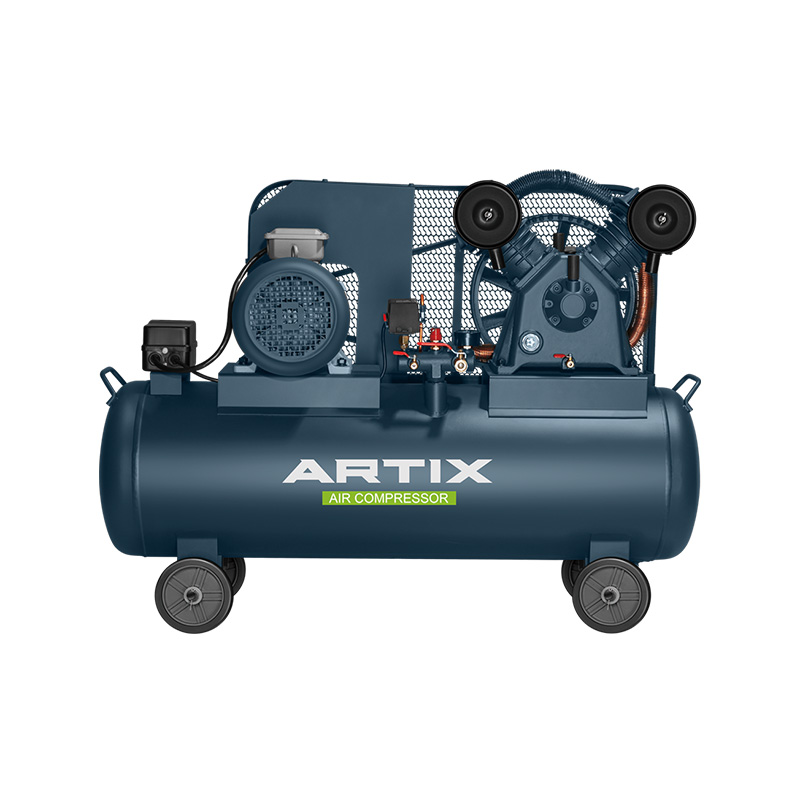
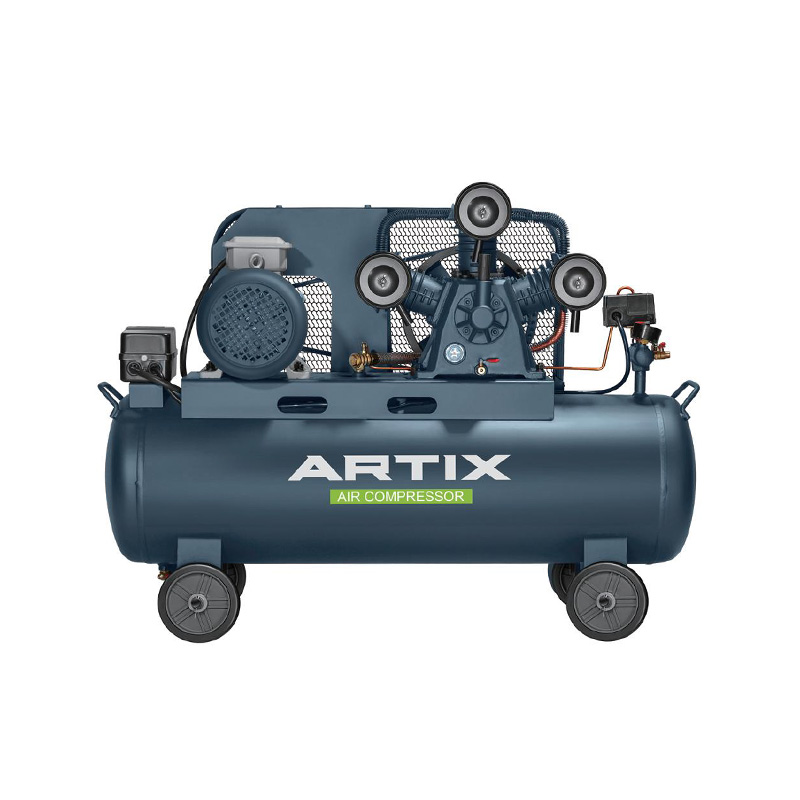
In manufacturing workshops and industrial facilities, compressor performance depends on more than motor power and rated airflow. Installation conditions can also influence operating stability, service life, and maintenance requirements. For buyers selecting a Belt Type Air Compressor, factors such as ventilation, ambient temperature, floor conditions, and surrounding equipment deserve attention before installation. A suitable compressor model can still experience operating problems if the installation environment is not properly considered.
Why Does Ventilation Matter for Compressor Operation?
During compression, the motor and compressor generate heat. If hot air cannot circulate away from the equipment, the surrounding temperature may rise and affect cooling efficiency. In poorly ventilated rooms, this can contribute to overheating, unexpected shutdowns, and increased stress on components.
Industrial buyers should check the recommended ventilation clearance and cooling requirements in the manufacturer's installation manual. Where several machines operate in the same room, the overall heat load should also be considered rather than evaluating each compressor separately.
How Can Ambient Temperature Influence Performance?
High ambient temperatures can make it more difficult for an air compressor to maintain suitable operating conditions. Dust accumulation around air inlets and cooling surfaces may create additional challenges, especially in workshops where cutting, grinding, or material handling takes place.
A practical installation plan should consider seasonal temperature changes, nearby heat sources, and the cleanliness of the compressor room. If the equipment operates in a demanding environment, buyers should discuss suitable cooling arrangements with the manufacturer before placing an order.
What Floor Conditions Should Buyers Check?
Belt-driven compressors contain rotating components that require stable installation. An uneven or unsuitable floor may contribute to unwanted movement or vibration during operation.
Before installation, confirm that the floor can support the equipment's weight and that the mounting arrangement follows the manufacturer's instructions. Proper positioning also makes routine inspection and maintenance easier. Technicians should have enough space to access belts, filters, drains, and other service points without moving surrounding equipment.
How Should Buyers Manage Noise and Vibration?
Noise and vibration are important considerations when compressors are installed near production lines, offices, or inspection areas. The actual sound level depends on the compressor design, motor, operating conditions, and installation environment.
Buyers should review available noise information and consider the distance between the compressor and occupied work areas. Suitable mounting, equipment positioning, and vibration-control measures may help reduce disturbance. However, these measures should be selected according to the equipment design rather than applied without technical guidance.
Which Installation Details Affect Air Supply?
The location of the compressor can influence the compressed air distribution system. Long or poorly designed pipelines may increase pressure losses, while undersized piping can restrict airflow during periods of high demand.
When planning a Belt Type Air Compressor installation, engineers should consider pipe diameter, pipeline length, connection layout, and the location of air receivers and treatment equipment. These details help ensure that the required pressure reaches production equipment under normal operating conditions.
What Should Procurement Teams Confirm with Suppliers?
Before purchasing, buyers should request installation guidance and technical documentation. Important points include:
- Recommended operating temperature and ventilation conditions
- Required maintenance and service access clearances
- Electrical supply requirements and motor specifications
- Rated working pressure and actual air delivery
- Foundation, mounting, and connection recommendations
- Available after-sales support and spare parts
These details help reduce installation uncertainty and make equipment comparisons more meaningful.
Why Is Installation Planning Part of Supplier Selection?
A compressor supplier should provide more than a product quotation. Technical communication, model selection support, installation instructions, and access to replacement components can all influence the long-term ownership experience.
For distributors, contractors, and industrial end users, choosing a Belt Type Air Compressor should therefore involve both equipment specifications and installation requirements. By evaluating the working environment before purchase, buyers can select a more suitable configuration and build a compressed air system that supports consistent production needs.