English
 Español
 Français
For many workshop managers and industrial operators, one urgent question is whether a Belt Driven Air Compressor can withstand harsh working environments — such as extreme temperatures, dusty outdoor sites, or heavy-duty continuous operation. At the same time, comparisons often include Direct Driven Air Compressor systems, as users want clarity on durability, reliability, and long-term performance before investing in equipment.
Although belt driven compressors are widely used in garages, body shops, and light industrial applications, real conditions such as cold weather, high heat, debris, and moisture can challenge any mechanical system. Understanding how each drive type responds to these stresses reveals the factors that influence longevity and uptime in demanding scenarios.
1. What Makes Harsh Environments Hard on Air Compressors?
Harsh conditions include several stressors that affect air compressors:
Temperature extremes: Very cold weather can stiffen belts, causing them to crack or lose tension. High heat can soften belts, increasing slippage and shortening service life.
Dust and debris: Outdoor or dusty workshop environments can cause belts to wear prematurely and pulleys to accumulate grit, increasing friction.
Continuous duty cycles: Machines running non-stop for extended hours without breaks generate more heat and mechanical fatigue. This impacts belts more than direct coupling systems.
These factors don’t make belt driven machines inherently weak, but they do mean that expectations around durability must match how the equipment is used. Managers often ask whether simpler direct drive units or belt driven configurations deliver better long-term performance under stress.
2. How Do Belt Driven Compressors Handle Extreme Conditions?
Modern belt driven air compressors are not outdated technology; properly designed belts — especially industrial-grade cogged or V-belts — can last thousands of hours when correctly tensioned and aligned. However, belts are a wear component by nature:
Routine belt care: In harsh conditions, regular inspection of belt tension and alignment becomes more critical to prevent early failure.
Temperature sensitivity: Rubber belts can become brittle in cold climates and stretch in heat, which may increase maintenance frequency.
Environmental wear: Dust, oil vapors, and moisture can accelerate belt degradation compared with indoor, controlled environments.
With careful maintenance and environmental protection — like proper enclosures or filtration — belt driven systems can indeed survive demanding conditions. Their advantage in adjustable speed and flexible output still makes them attractive for many applications.
3. How Do Direct Driven Compressors Respond to Harsh Use?
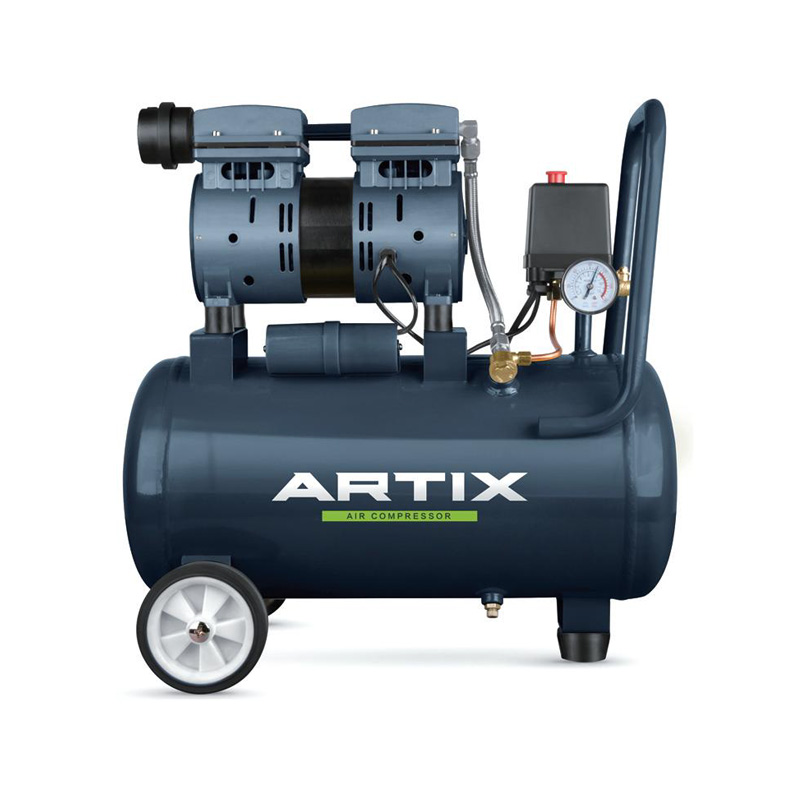
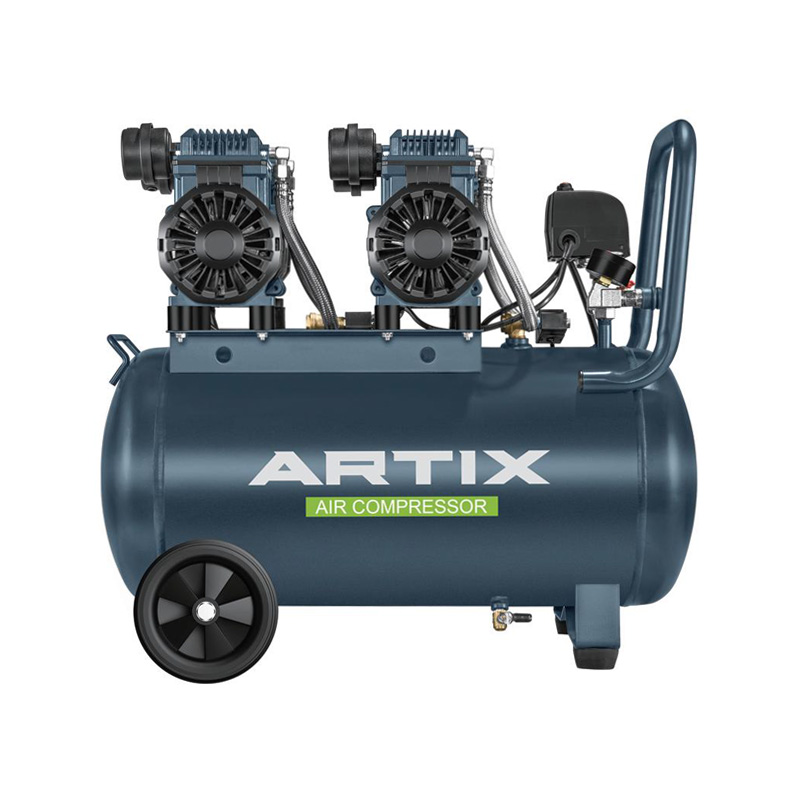
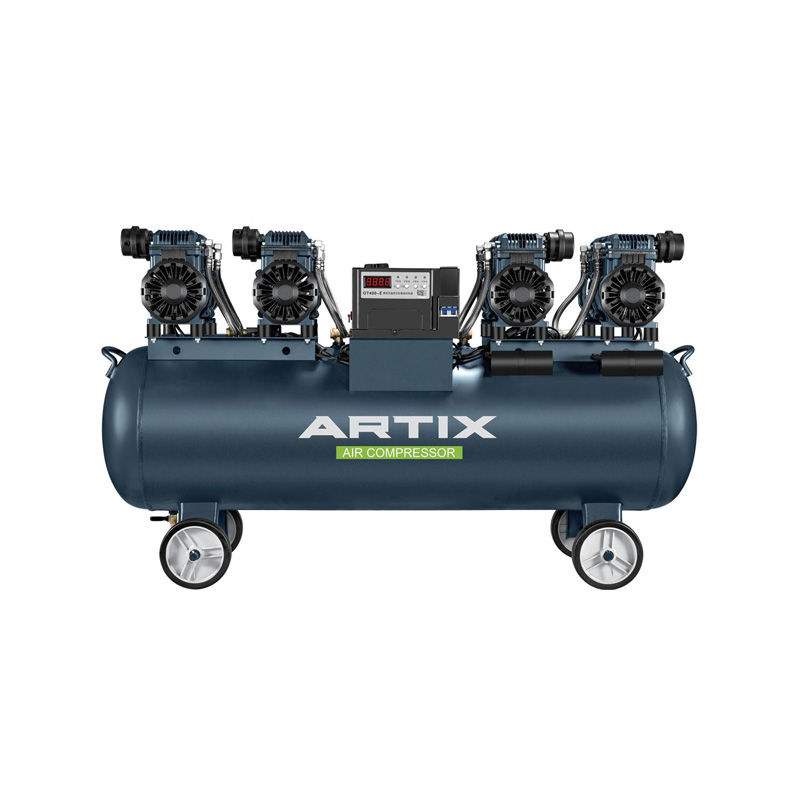
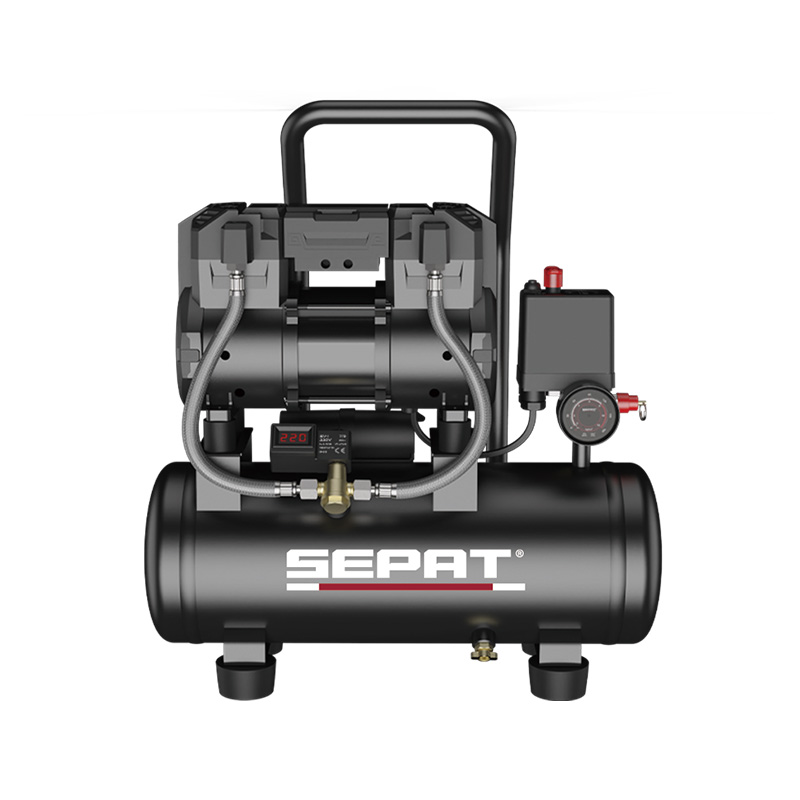
A Direct Driven Air Compressor connects the motor directly to the pump without intermediary belts or pulleys, which simplifies the mechanical layout and reduces the number of wear points susceptible to environmental stress. This inherently stronger connection offers several resilience benefits:
Fewer moving parts: With no belt to slip, stretch, or wear, direct driven systems often require less routine intervention.
Temperature resilience: Direct coupling is not subject to belt stiffness or elasticity changes in extreme cold or heat, offering more stable performance.
Environmental tolerance: Because there’s no exposed belt and pulley system, dust and grit have fewer surfaces to infiltrate and degrade.
That’s why many users choose direct drive for continuous industrial environments or outdoor installations where protection from harsh conditions is limited.
4. Can Both Types Survive Harsh Conditions With Proper Planning?
Yes — but with different strategies. Belt driven compressors can survive demanding environments with a proactive maintenance regime that includes:
Scheduling regular belt inspections and replacements
Protecting belts from direct exposure to heat, cold, and debris
Using industrial-grade belts designed for high durability
Meanwhile, direct driven systems may require less routine care but might need more skilled technical attention when internal components do require servicing.
5. Practical Tips for Tough Environments
Here are some user-focused considerations that experienced operators often raise:
Match drive type to workload: For intermittent or adjustable workload environments, belt driven compressors often handle variability better.
Use protective housings: Environmental shielding can dramatically extend belt life in dusty or moist sites.
Monitor operating temperatures: Sudden heat spikes can accelerate wear, so consider cooling systems or airflow management for open-air installations.
Consider duty cycle: Direct driven units excel in continuous, predictable workloads, making them suitable for heavy daily use.
At Artix Machinery Co., Ltd., engineers design compressor solutions with these real-world stress factors in mind, providing guidance on which drive type fits specific environmental demands.
So, can a belt driven air compressor survive harsh conditions? Yes — with proper maintenance, suitable belt types, and environmental protection, belt driven systems can perform reliably even under stress. However, for environments where extreme temperatures, dust exposure, or continuous heavy duty use are the norm, Direct Driven Air Compressors may naturally offer greater resilience due to fewer mechanical wear points. Understanding how each drive type responds to challenge factors helps users make better decisions for long-term, reliable operation.