English
 Español
 Français
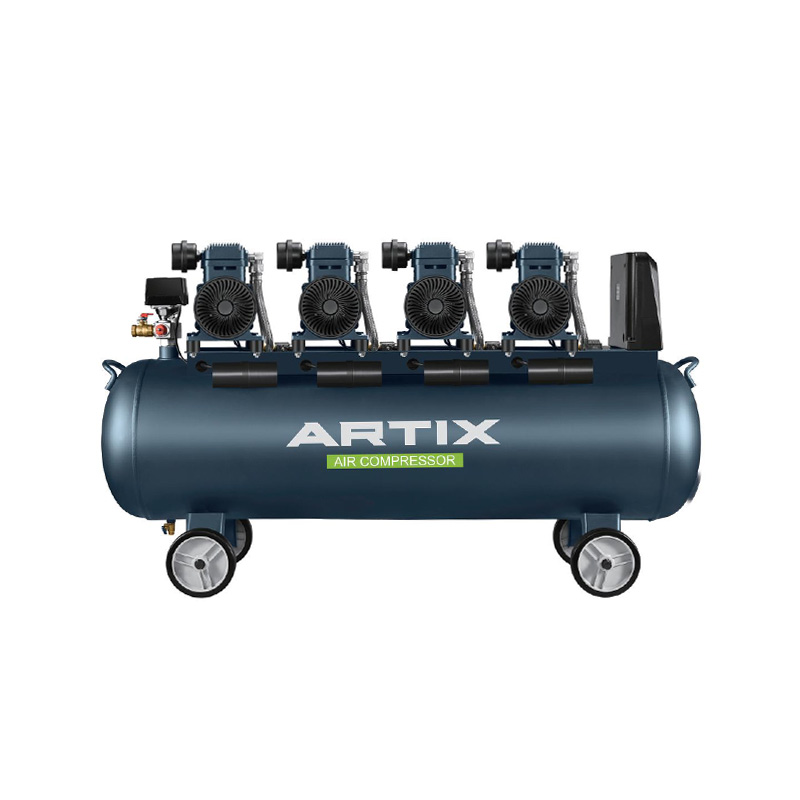
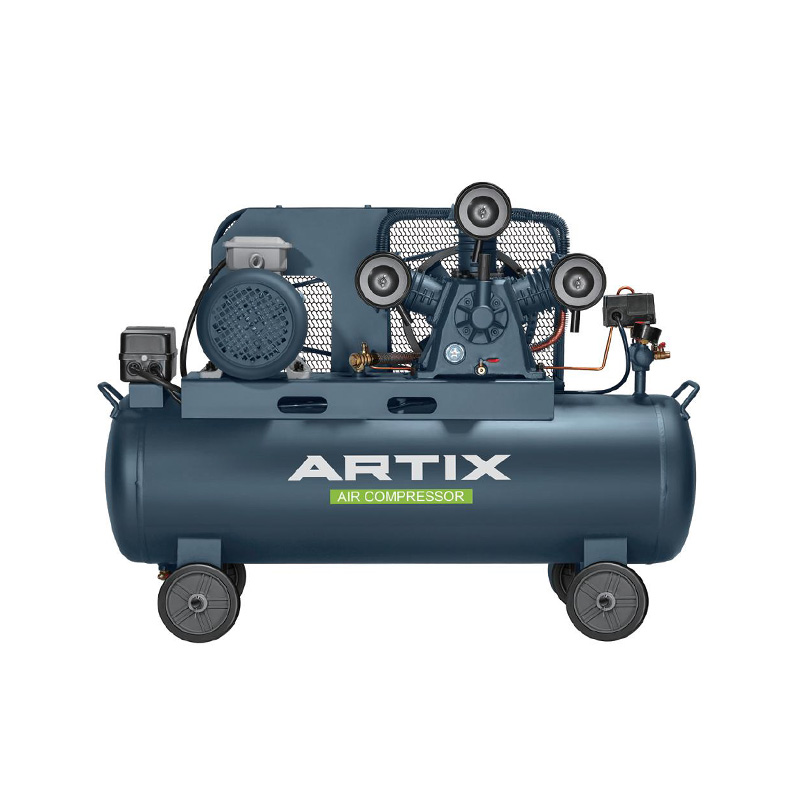
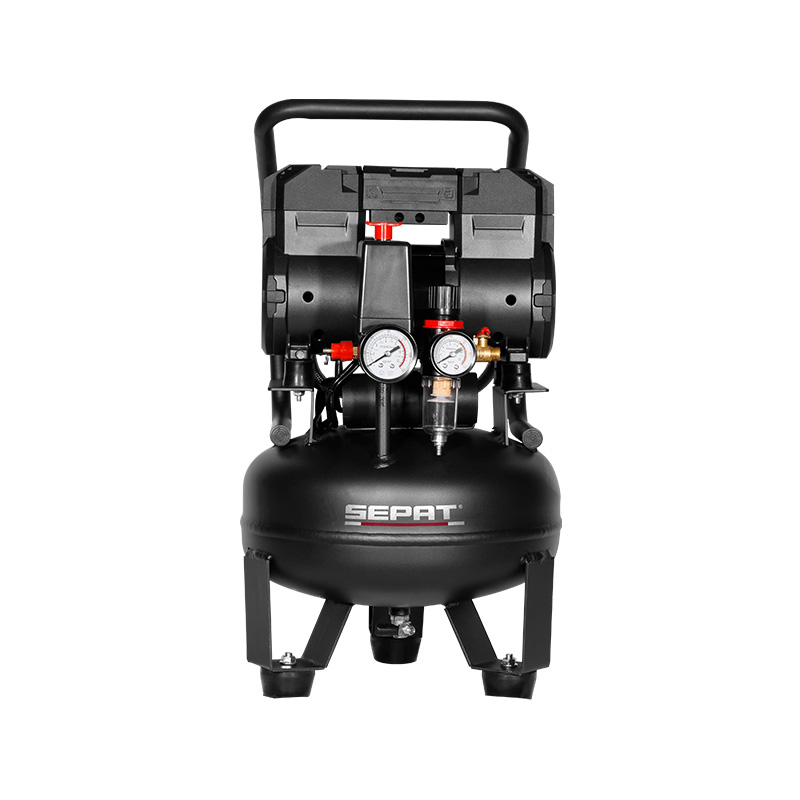
Across manufacturing, automotive production, construction engineering, and packaging industries, compressed air systems remain one of the most essential utilities for continuous operations. A growing number of procurement managers and maintenance engineers are actively searching for solutions from an Industrial Air Compressor provider that can deliver stable airflow, lower energy consumption, and reduced long-term maintenance costs. Recent discussions across industrial automation forums and equipment sourcing platforms highlight strong interest in variable speed drive (VSD) compressors, oil-free air systems for clean production, and energy-saving compressed air optimization strategies. Buyers are no longer selecting compressors based solely on horsepower—they are evaluating system efficiency, lifecycle cost, heat management, and reliability under continuous industrial workloads.

Energy Efficiency Is Now a Primary Purchasing Driver
Rising energy costs and sustainability targets are pushing factories to upgrade outdated compressed air systems. Energy consumption often represents a significant portion of total production costs, making efficiency a top priority.
Modern buyers focus on reducing waste through smart load control, optimized pressure regulation, and improved motor performance to achieve long-term operational savings.
Variable Speed Technology Is Reshaping Compressor Demand
One of the most frequently searched topics among engineers is VSD (Variable Speed Drive) compressor systems, which automatically adjust motor speed based on air demand.
Key advantages include:
- Reduced energy consumption during partial load operation
- Stable pressure output for sensitive equipment
- Lower mechanical stress on internal components
- Improved adaptability to fluctuating production cycles
- Enhanced overall system lifespan
This technology is increasingly becoming standard in modern industrial facilities.
Air Quality Requirements Are Becoming More Strict
Industries such as electronics, pharmaceuticals, and food processing require extremely clean compressed air. This has increased demand for oil-free and filtration-enhanced systems.
Manufacturers are now expected to ensure low contamination risk, stable dew point control, and advanced filtration integration to meet strict production environment standards.
Heat Management and Cooling Efficiency Are Critical Concerns
Overheating remains one of the most common causes of compressor failure. As a result, buyers are actively searching for systems with improved thermal control designs.
Engineering improvements include:
- Enhanced cooling airflow structures
- High-efficiency heat exchangers
- Automatic temperature monitoring systems
- Reduced internal friction components
- Improved ventilation design for continuous operation
Better heat management directly improves reliability and uptime.
Maintenance Cost Reduction Is a Key Evaluation Factor
Industrial buyers are increasingly focused on total lifecycle cost rather than just initial purchase price. Maintenance frequency, spare part availability, and service accessibility all influence purchasing decisions.
Compressors designed for easier inspection, modular replacement, and longer service intervals are becoming more attractive in global procurement strategies.
Smart Monitoring and Digital Control Integration
With the rise of Industry 4.0, many factories are integrating smart monitoring systems into their compressed air networks. Real-time data tracking helps improve efficiency and prevent unexpected downtime.
Common features include pressure sensors, energy consumption analytics, fault detection alerts, and remote system monitoring through centralized control platforms.
Reliability Under Continuous Operation Defines Equipment Value
In heavy-duty industrial environments, compressors often run 24/7. Equipment stability under continuous load is therefore one of the most important performance benchmarks.
As a manufacturer, we emphasize rotor precision machining, high-grade sealing systems, vibration reduction design, and strict quality control testing to ensure consistent performance under demanding operating conditions.
As global industries continue to focus on energy efficiency, automation, and operational stability, selecting the right Industrial Air Compressor becomes a strategic decision for long-term productivity. A reliable Industrial Air Compressor ensures stable air supply, reduced energy consumption, and consistent performance across modern industrial applications.