English
 Español
 Français
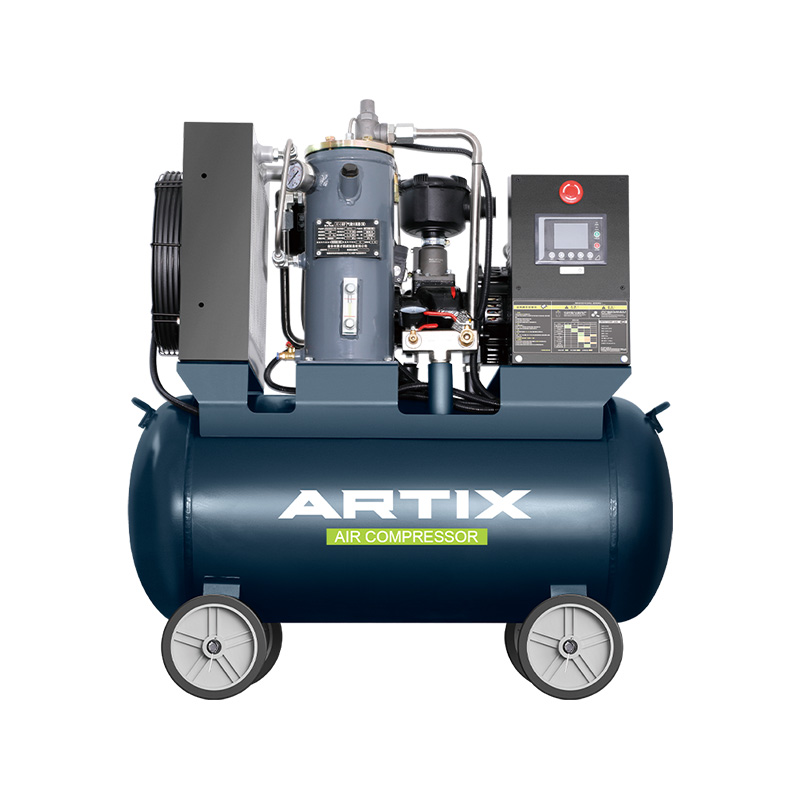
In industrial production, compressed air pressure can affect the performance of pneumatic tools, automated equipment, and air-operated processes. When pressure drops unexpectedly, machinery may respond inconsistently, production tasks can take longer, or operators may need to investigate the air supply system. For buyers evaluating a Direct Drive Compressor, the key is to understand how compressor capacity, pressure settings, air demand, and pipeline design work together. Choosing the right equipment begins with identifying the cause of pressure fluctuations rather than assuming that a larger compressor will solve every problem.
Identify When Pressure Drops Occur
Pressure fluctuations often become noticeable when several machines start operating at the same time or when a production process requires a temporary increase in compressed air. A compressor that meets average demand may still struggle if short periods of peak consumption exceed the available supply.
Before selecting equipment, buyers should record when pressure drops occur, which machines are operating, and whether the problem appears throughout the facility or only at specific points. This information helps distinguish insufficient compressor capacity from local restrictions, excessive demand, or control settings that do not match the application.
For manufacturers, understanding these operating patterns is essential when recommending a suitable compressor configuration.
Match Rated Pressure to Equipment Requirements
Different pneumatic applications require different working pressures. Selecting a compressor with an unsuitable pressure range can affect the performance of connected equipment, while setting the system pressure unnecessarily high may increase energy consumption.
Buyers should identify the minimum pressure required by the most demanding connected equipment and account for pressure losses between the compressor and the point of use. The objective is to deliver the required pressure where it is needed, not simply to achieve a high reading at the compressor outlet.
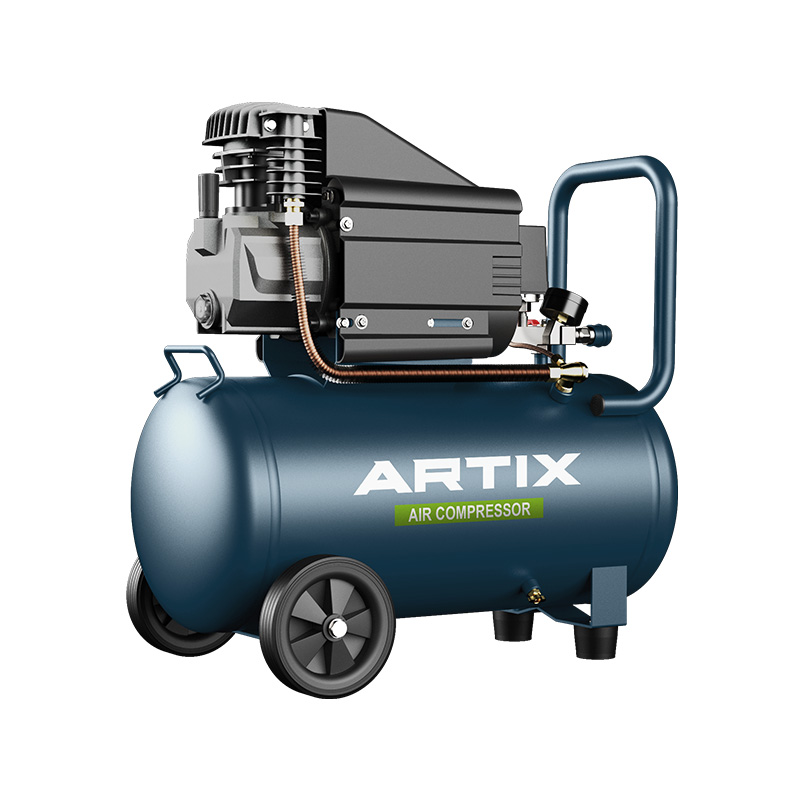
A Direct Drive Compressor should therefore be evaluated according to its specified operating range and the pressure requirements of the complete compressed air system.
Check Whether the Air Supply Meets Peak Demand
Pressure instability can result from a mismatch between air consumption and available delivery. This is particularly relevant in workshops where pneumatic tools, cylinders, and production equipment operate intermittently.
A practical assessment should consider:
- The air consumption of each connected machine
- Which machines operate simultaneously
- The duration and frequency of peak demand
- The required working pressure at each application
- Whether future production changes may increase air consumption
These details help buyers compare compressor delivery with real operating needs. If peak demand is brief but substantial, the overall system design may need to account for that pattern instead of relying solely on average consumption.
Examine Pipeline Restrictions and Air Leaks
A compressor cannot compensate efficiently for every problem in the distribution network. Undersized pipes, restrictive fittings, long pipe runs, blocked filters, and leaking connections can contribute to pressure loss between the compressor and the equipment.
When pressure is adequate near the compressor but low at a distant workstation, the distribution system deserves closer inspection. Checking filters, valves, fittings, and pipe dimensions can reveal restrictions that would otherwise be mistaken for inadequate compressor performance.
Manufacturers can help buyers confirm outlet specifications and connection requirements, while site technicians should assess whether the existing pipeline can deliver the required airflow.
Review Control Settings and Operating Patterns
The way a compressor responds to changing demand also influences pressure stability. Control settings that do not correspond to the facility's consumption pattern may cause unnecessary cycling or allow pressure to move outside the desired operating range.
Before changing settings, operators should review the equipment manual and confirm the permitted pressure limits. Adjustments should be made carefully, with attention to connected equipment requirements and the compressor's intended operating conditions.
For applications with significant demand variation, buyers should discuss available control options with the manufacturer before ordering. The suitable configuration depends on the machine design, workload, and required level of pressure control.
Monitor Performance After Installation
Pressure readings become more useful when they are collected at relevant points and compared under similar operating conditions. Monitoring only the compressor outlet may not reveal losses occurring elsewhere in the system.
During commissioning, buyers can record pressure near the compressor and at critical points of use while typical equipment is running. Repeating these checks when operating conditions change can help identify developing restrictions or demand-related problems.
Any abnormal readings should be investigated alongside airflow, filter condition, leakage, and control behavior rather than attributed automatically to the compressor itself.
Choose Equipment Based on the Complete System
A well-matched Direct Drive Compressor can support more consistent compressed air delivery when its capacity, pressure range, and control configuration suit the application. However, stable pressure also depends on sound pipeline design, leak prevention, suitable maintenance, and realistic demand planning. For overseas industrial buyers, sharing these requirements with the manufacturer before procurement helps establish clearer specifications and reduces the risk of selecting equipment that does not fit the production environment.