English
 Español
 Français
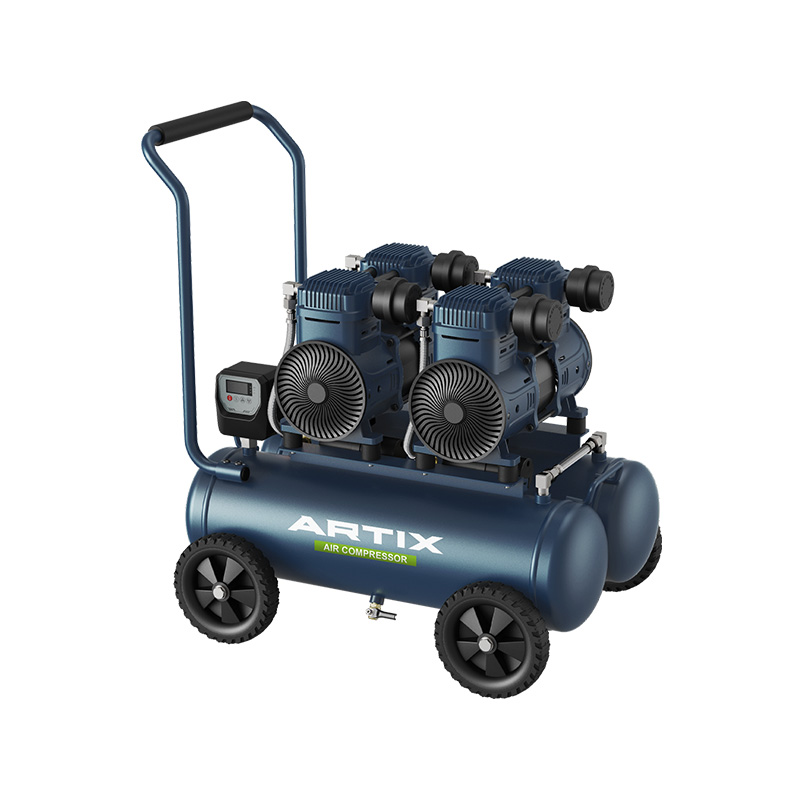
In industrial compressed air systems, operating stability depends on more than the compressor's rated capacity. Heat generated during compression, motor operation, and continuous workloads can influence equipment performance, maintenance requirements, and the surrounding installation environment. For buyers evaluating a Direct Drive Compressor, thermal management deserves attention during both product selection and installation planning. Understanding how heat is produced, transferred, and removed helps procurement teams make better decisions and gives manufacturers a clearer direction for product design and performance verification.
Understand Where Operating Heat Comes From
Compressing air naturally generates heat, while the motor and other operating components also contribute to the machine's thermal load. The amount of heat produced depends on factors such as compression technology, operating pressure, workload, ambient conditions, and operating duration.
A compressor used intermittently in a small workshop may experience a different thermal workload from one serving a production line for extended periods. Buyers should therefore explain their expected operating schedule when requesting a suitable configuration. This information helps the manufacturer assess cooling requirements and determine whether the proposed machine fits the intended application.
Examine the Role of Direct Drive Design
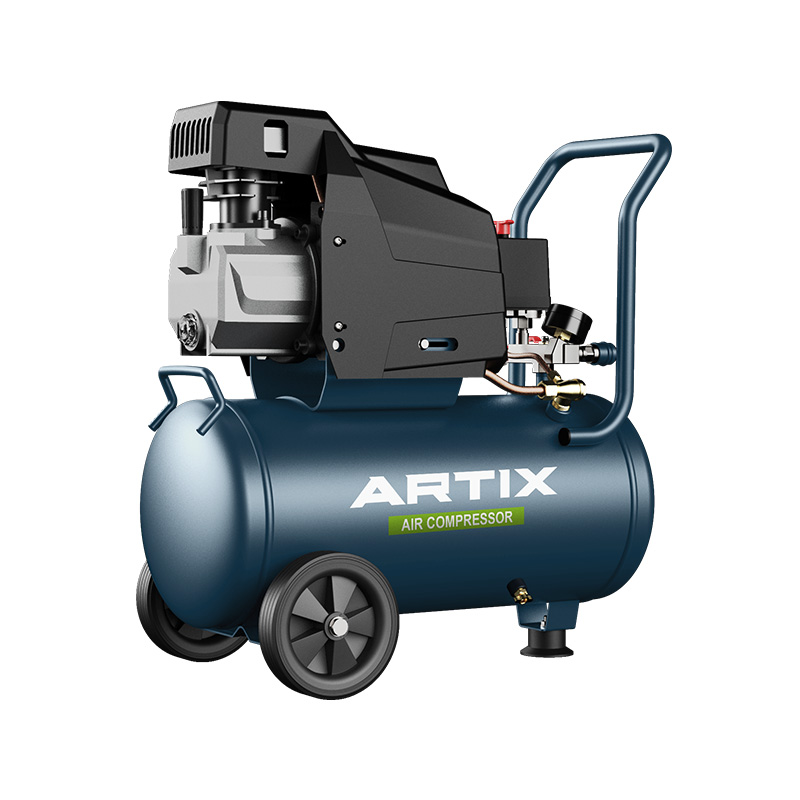
A Direct Drive Compressor transfers power from the motor to the compression element without using a belt transmission. This arrangement removes belt-related components and can simplify certain maintenance tasks. However, thermal performance still depends on the complete machine design rather than the drive arrangement alone.
Motor efficiency, compression technology, airflow, lubrication where applicable, and the layout of internal components all influence heat management. Manufacturers need to consider how these elements interact within the available space. For buyers, reviewing the overall configuration provides a more meaningful assessment than assuming that direct drive automatically means lower operating temperatures.
Provide Enough Space for Ventilation
Installation conditions can affect how effectively a compressor releases heat. If hot air accumulates around the machine or cooling air cannot circulate as intended, operating temperatures may rise and affect performance.
Before installation, buyers should check the manufacturer's specified clearances and ventilation requirements. The compressor should not be placed so close to walls, stored materials, or other equipment that airflow becomes restricted. Where several machines operate in the same room, the combined heat load should also be considered when planning ventilation.
These measures are particularly important in compact workshops and equipment rooms, where available floor space can limit installation options.
Match the Cooling Arrangement to the Working Environment
Different applications place different demands on a compressor's cooling system. Ambient temperature, airborne dust, humidity, and the amount of available ventilation can influence which configuration is appropriate.
When discussing requirements with a manufacturer, buyers should clarify the expected environment, daily operating hours, and any unusual site conditions. The cooling arrangement should be evaluated alongside the machine's capacity and operating limits rather than treated as an isolated feature.
For facilities with challenging environmental conditions, it is also important to confirm the permitted operating range in the product documentation. A compressor should not be assumed suitable for an environment beyond its specified limits without technical evaluation.
Use Temperature Changes as a Maintenance Clue
Unexpected temperature increases can indicate that the compressor needs attention. Restricted ventilation, dirty cooling surfaces, unsuitable operating conditions, or a developing mechanical issue may contribute to abnormal heat.
Maintenance personnel can establish a useful baseline by recording operating conditions during normal service. If temperatures change noticeably, they can review:
- Whether air inlets and ventilation paths are obstructed
- Whether cooling components require cleaning
- Whether the workload has changed
- Whether the machine is operating within its specified limits
- Whether unusual noise, vibration, or alarms are present
Temperature observations should be interpreted alongside the manufacturer's instructions and other operating indicators. They can help identify potential problems, but they do not replace proper inspection or diagnosis.
Verify Performance Before Shipment
From a manufacturing perspective, thermal considerations should be addressed during product development and quality verification. Assembly accuracy, component positioning, cooling-path design, and electrical configuration can all influence how the completed compressor operates.
Appropriate factory checks help confirm that the machine meets its defined requirements before dispatch. Depending on the product design, verification may include operational checks, inspection of cooling components, and observation of operating conditions under specified test procedures. Clear test records also give buyers a better understanding of what has been checked before delivery.
Make Thermal Management Part of Procurement
A reliable Direct Drive Compressor should be selected with its operating environment, cooling requirements, workload, and maintenance access in mind. Overseas buyers can improve purchasing decisions by sharing installation details early and asking the manufacturer to confirm the machine's operating limits and ventilation requirements. When thermal management is considered during design, selection, installation, and routine service, the compressor is better prepared to meet the demands of its intended industrial application.