English
 Español
 Français
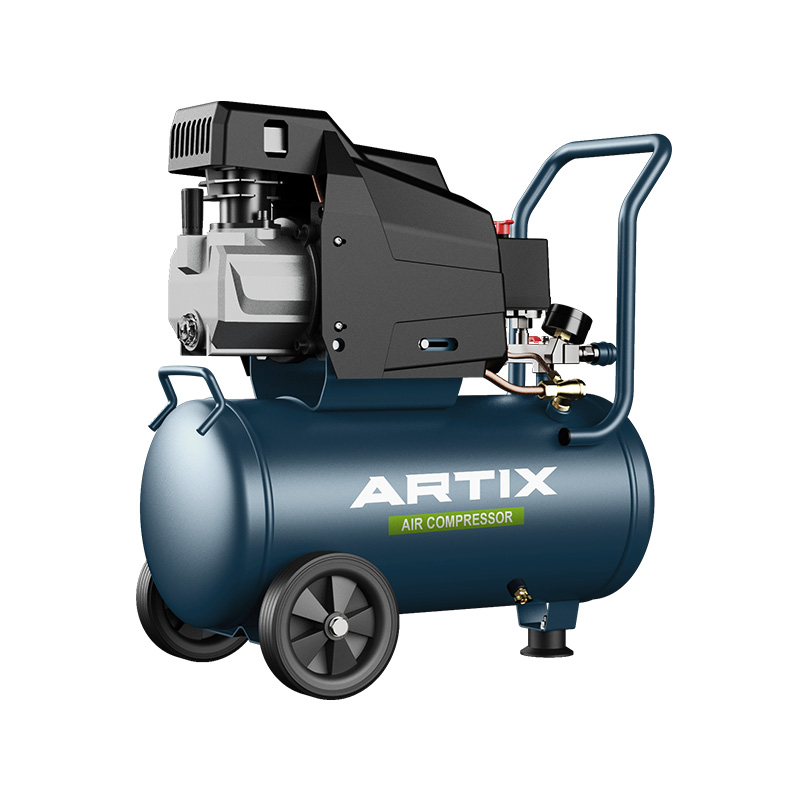
Unexpected compressor downtime can interrupt production, delay orders, and place additional pressure on maintenance teams. In many facilities, these problems are not caused by a single major failure but by small issues that remain unnoticed during routine operation. For businesses using a Direct Drive Compressor, preventive maintenance helps identify developing problems before they affect the wider compressed air system. A practical maintenance plan should reflect the compressor design, operating hours, working environment, and manufacturer's service recommendations rather than rely on a fixed schedule for every application.
Establish a Maintenance Baseline
A useful maintenance plan begins with understanding how the compressor operates under normal conditions. Operators should become familiar with its usual sound, vibration, operating temperature, pressure behavior, and any displayed alarms. These observations provide a reference for identifying changes over time.
During initial commissioning, maintenance personnel can record relevant operating conditions and confirm the recommended inspection intervals. Keeping these records organized makes it easier to compare later observations and identify recurring issues.
From a manufacturer's perspective, clear operating manuals and maintenance instructions are important parts of product support. Buyers should review these documents before commissioning so that routine checks can be incorporated into the facility's maintenance procedures.
Inspect the Air Intake and Cooling Path
Air intake and cooling components need particular attention because dust accumulation and restricted airflow can affect operating conditions. Facilities with airborne particles, limited ventilation, or demanding production schedules may require more frequent inspections than cleaner, less intensive environments.
Operators should check accessible air inlets, filters, ventilation openings, and cooling surfaces according to the product instructions. Any cleaning or replacement work should follow the specified procedure, with the machine isolated as required for safe maintenance.
A Direct Drive Compressor does not use a belt transmission, so belt tension and belt replacement are not part of its routine maintenance. However, the absence of a belt does not eliminate the need to inspect other components or maintain the cooling system.
Follow the Requirements of the Compression Technology
Maintenance procedures differ according to the compressor's design. Lubricated and oil-free compression systems, for example, have different service requirements, so buyers should not assume that every direct drive model follows the same maintenance routine.
Depending on the configuration, relevant tasks may include checking lubricant condition, inspecting filters, examining seals, and reviewing the condition of specified service components. Replacement intervals should be based on the manufacturer's instructions and the actual operating environment.
For procurement teams comparing models, it is worth asking for a maintenance schedule before placing an order. Understanding the required service tasks helps estimate labor needs and plan for consumables and replacement parts.
Pay Attention to Changes in Operating Behavior
Changes in pressure, temperature, vibration, noise, or operating frequency can indicate that the compressor or connected system needs investigation. These symptoms do not always point to the same cause, which makes systematic diagnosis more useful than replacing components without inspection.
When unusual behavior appears, operators should document the conditions under which it occurs. Useful information includes the current workload, displayed alarms, recent maintenance, and whether the change happens continuously or only during periods of high demand.
A structured record gives qualified service personnel a clearer starting point. If the machine shows a warning or operates outside its specified limits, follow the manufacturer's instructions instead of continuing operation without assessment.
Keep the Surrounding System in Good Condition
Compressor maintenance alone cannot prevent every compressed air problem. Leaking connections, blocked filters, poorly maintained dryers, and restrictions in distribution pipes may increase the workload on the compressor or reduce air quality at the point of use.
Maintenance teams should therefore include the connected air system in their inspection plan. Checking for leaks, reviewing filter condition, and confirming that drainage equipment operates as intended can help distinguish compressor issues from problems elsewhere in the installation.
For facilities with multiple production lines, prioritizing critical air users can also help maintenance teams identify problems that could affect operations most significantly.
Prepare Spare Parts Before They Are Needed
Waiting for a replacement component to arrive can extend downtime, especially when a compressor is essential to daily production. However, stocking every possible part is not always practical.
A more balanced approach is to identify components specified for periodic replacement, parts with relevant service intervals, and items whose failure would significantly disrupt production. Buyers should confirm part numbers, compatibility, and availability with the manufacturer.
Accurate equipment identification and organized service records make repeat ordering easier and reduce the risk of selecting an unsuitable replacement.
Build Maintenance Into Long-Term Equipment Planning
Preventive maintenance is most effective when it becomes part of normal operating practice rather than a response to visible problems. For buyers choosing a Direct Drive Compressor, the decision should include service access, maintenance requirements, documentation, and replacement-part support alongside capacity and pressure specifications. By combining regular inspections with operating records and application-specific service intervals, manufacturers and users can manage equipment condition more systematically and reduce avoidable interruptions to compressed air supply.