English
 Español
 Français
In manufacturing facilities, compressed air supports a wide range of operations, from pneumatic tools and packaging lines to material handling and automated equipment. When an air compressor cannot maintain stable output, the cause may not always be the compressor pump or motor itself. The belt drive also plays an important role in transferring power between these components. For buyers evaluating a Belt Type Air Compressor, understanding belt condition, alignment, tension, and maintenance requirements can help prevent avoidable downtime and support more consistent operation.
Understand the Role of the Belt Drive
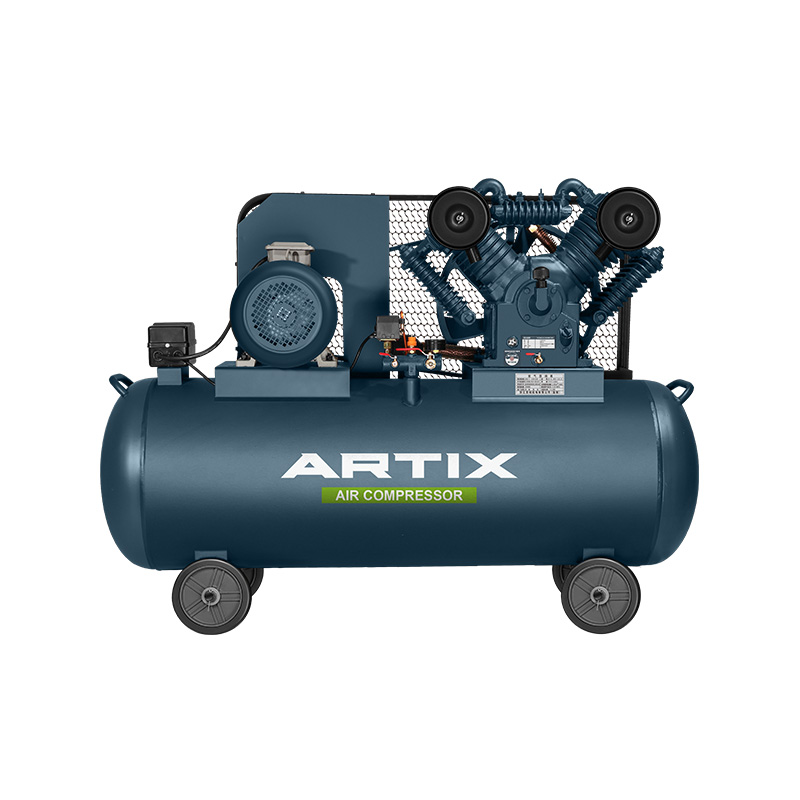
A belt-driven air compressor uses a belt and pulley system to transfer rotational power from the motor to the compressor pump. This arrangement is commonly considered by workshops and industrial users who value accessible maintenance and a relatively straightforward transmission structure.
However, the belt is a working component that experiences wear during operation. Its condition can influence power transmission, operating noise, and the overall reliability of the equipment. Buyers should therefore look beyond motor power and tank capacity when comparing belt-driven models. The accessibility of the belt system and the availability of replacement parts are also worth considering.
Incorrect Belt Tension Can Create Problems
Belt tension needs to be suitable for the compressor's design. If the belt is too loose, it may slip during operation, particularly when the compressor starts or works under heavier loads. Slippage can reduce effective power transmission and generate additional heat.
Excessive tension creates a different concern. It can place unnecessary stress on the motor and pump shaft bearings, potentially increasing wear over time.
Operators should follow the manufacturer's specified tension adjustment method rather than tightening the belt based on personal judgment. Proper adjustment helps maintain the intended relationship between the motor and compressor pump.
Pulley Alignment Deserves Regular Inspection
Even when belt tension is correctly adjusted, misaligned pulleys can affect transmission performance. If the motor and pump pulleys are not positioned in the same plane, the belt may experience uneven contact and wear along its edges.
During routine maintenance, technicians can check for:
- Visible differences in pulley alignment
- Uneven belt wear or damaged edges
- Unusual vibration around the transmission area
- Changes in operating noise
- Loose mounting bolts or shifting motor positions
Any adjustment should follow the equipment manual and be carried out with the compressor safely isolated from its power source. Early inspection can help identify developing problems before they interrupt production.
Belt Condition Provides Useful Maintenance Clues
A belt does not always fail without warning. Cracking, glazing, fraying, deformation, and noticeable stretching may indicate that replacement or further inspection is needed.
The operating environment also matters. Dust, oil contamination, temperature conditions, and frequent starting cycles can influence belt service life. Facilities with demanding operating schedules may benefit from recording inspection dates and replacement history instead of waiting for obvious transmission problems.
When replacing a belt, users should confirm the correct belt type and dimensions. A replacement that does not match the compressor manufacturer's requirements may affect tension, alignment, and transmission performance.
Match Compressor Capacity to Actual Air Demand
Belt maintenance is only one part of compressor management. Equipment selection also needs to reflect the facility's compressed-air requirements.
Before purchasing, buyers should assess the tools and machines connected to the air system, their required working pressure, simultaneous air consumption, and expected operating hours. Selecting a compressor based only on motor power or receiver tank volume may result in insufficient air supply or an unsuitable operating arrangement.
A properly matched Belt Type Air Compressor should be evaluated according to its rated airflow, working pressure, motor specifications, and intended duty cycle. Buyers should also consider whether the installation has sufficient ventilation and maintenance access.
Make Maintenance Part of the Purchasing Decision
For distributors and industrial procurement teams, maintenance convenience can influence the long-term value of a compressor. A practical design should allow technicians to inspect the belt and pulleys without unnecessary dismantling, while replacement components should be identifiable and available through the supplier.
Before placing an order, buyers can ask manufacturers about recommended belt inspection intervals, adjustment procedures, replacement specifications, and technical support. These details help maintenance teams prepare for routine servicing and reduce uncertainty after installation.
Select a Design That Supports Daily Operations
A reliable compressed-air supply depends on correct equipment selection, suitable installation, and consistent maintenance. As a Belt Type Air Compressor manufacturer, we believe buyers should evaluate the complete transmission system alongside airflow, pressure, motor configuration, and service requirements. Understanding how the belt drive performs under actual working conditions makes it easier to select a compressor that fits the facility's workload and supports practical maintenance throughout its service life.