English
 Español
 Français
For many industrial workshops and garage applications, the Belt Driven Air Compressor remains a topic of frequent questions among buyers and technicians. At the same time, comparisons naturally arise with Direct Driven Air Compressor systems — especially when performance, maintenance, noise, and operational flexibility are under consideration. Users often wonder how these two drive methods affect long-term usability in real job-site conditions.
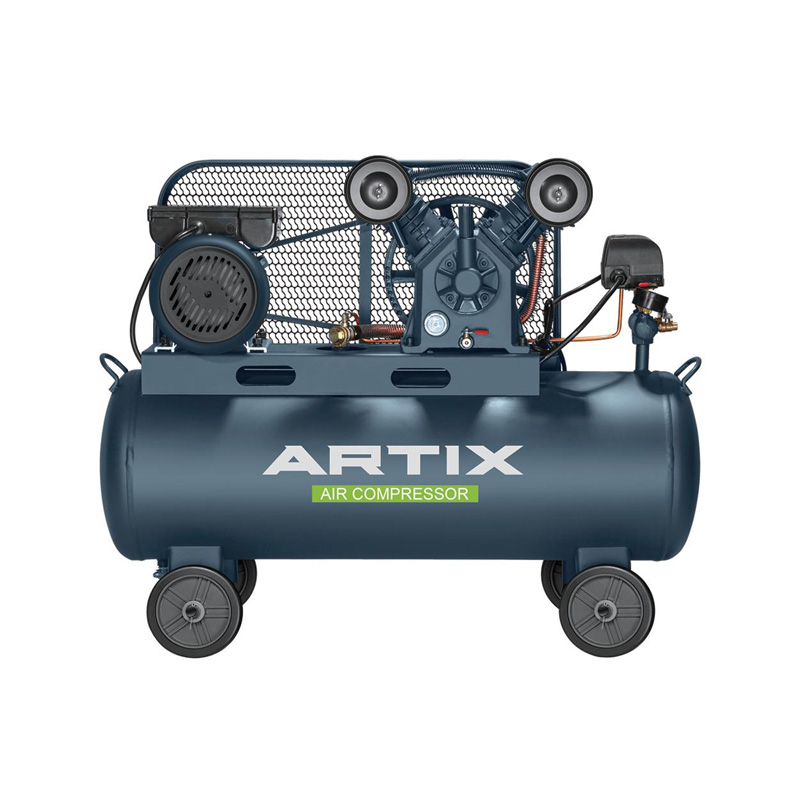
A belt-driven configuration uses a belt and pulley to transfer motor power to the pump. This design allows variable speed ratios between the motor and compressor, giving users flexibility in pressure and airflow adjustment — an advantage often raised in discussions about workshop performance. By contrast, direct-driven compressors connect the pump straight to the motor shaft, eliminating intermediary components for fewer moving parts and simpler installation, a point that also generates substantial curiosity.
1. What Makes Belt-Driven Compressors Different from Direct-Driven Units?
One question frequently posed is why belt drive systems feel “different” in regular operation. A belt driven compressor can adjust pressures by modifying the pulley ratio, meaning it can adapt to a variety of air demand scenarios without changing the motor itself. This adaptability makes it popular in settings where air tools vary in their requirements, as adjusting the drive ratio can fine-tune PSI and CFM outputs easily.
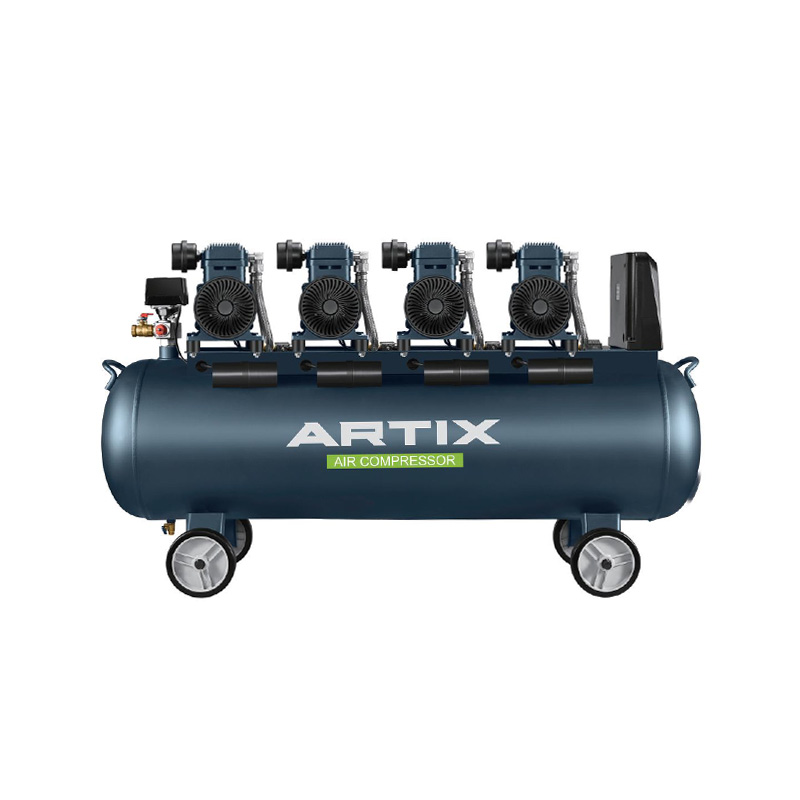
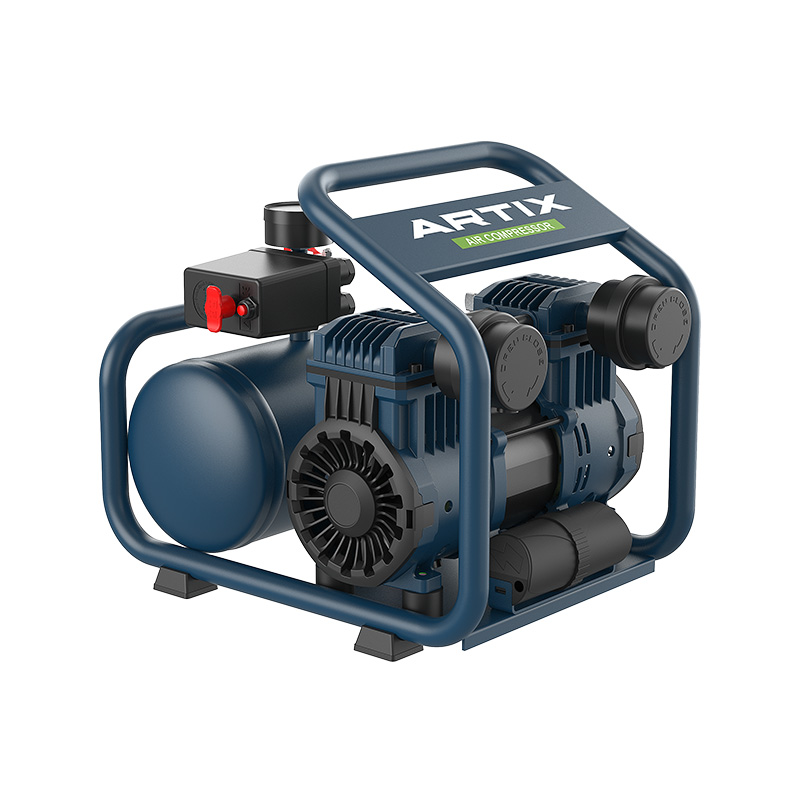
In contrast, direct driven compressors deliver power more directly — the motor and pump run at the same speed, reducing the energy lost to intermediate components. This direct coupling often translates to consistent output without intermediate variable adjustments, which is why some long-term operators consider this approach simpler to manage.
2. Why Do Users Focus on Maintenance and Noise Levels?
A recurring concern among professionals relates to maintenance burdens. Belt driven air compressors typically require periodic belt inspection, tension adjustment, and occasional belt replacement because the belt itself wears over time. This need for scheduled care becomes a differentiator in maintenance planning.
Noise levels also emerge as a question point. Some users have noted that the belt system’s buffer effect can absorb vibrations and reduce noise — a trait particularly useful in environments where quieter operation matters. By contrast, direct drive compressors may produce more noise because the pump is directly coupled to the motor without vibration dampening from belts. This makes the belt driven compressor a compelling choice where quieter conditions are desirable.
3. Operational Environments and Real-World Considerations
Many users ask whether belt driven systems are suitable for harsh environments. In workshop or small industrial contexts, belt driven units often perform well because they isolate components and reduce the immediate impact of temperature extremes and vibration. Their relative simplicity allows onsite maintenance without specialized tools.
Direct driven systems, on the other hand, are sometimes chosen for more demanding continuous duty applications — such as automotive assembly lines or manufacturing processes — due to fewer moving parts and fewer potential points of mechanical failure. This rugged simplicity means fewer routine interventions, although initial costs and repair requirements may be higher.
4. How Does Flexibility Affect Purchase Decisions?
Users often debate how flexibility impacts long-term utility. Because belt driven air compressors allow adjustable output via pulley change, they can adapt to evolving workshop needs without buying a new unit. For operations where multiple tool types and air requirements coexist — for example, pneumatic wrenches, nail guns, and spray guns — this flexibility becomes a strong factor in decision making.
By contrast, many find that a direct driven system’s simplicity offsets adaptability concerns — especially in standardized production environments. There is no belt to align or replace, which means fewer routine checks and predictable performance over extended duty cycles.
Artix Machinery Co., Ltd.: Designed for Real Needs
At Artix Machinery Co., Ltd., engineers pay close attention to these user-focused concerns. Whether offering belt driven air compressors tailored for workshop adaptability or direct driven configurations optimized for industrial settings, product designs aim to balance ease of use, maintenance efficiency, and consistent performance.
Understanding why users ask about belt driven and direct driven systems is a powerful guide in product selection. It helps businesses choose solutions aligned with their operational demands.
Practical Insights for Your Choice
Many questions about belt driven air compressors stem from real operational experiences. Whether it’s maintenance, noise, adaptability, or environment, understanding these aspects helps users choose a system that fits their work demands. While direct drive compressors simplify mechanics and may suit rigorous industrial use, belt driven units remain attractive where flexibility and quieter operation matter.
By focusing on user-relevant factors rather than assumptions, professionals can make informed decisions that support long-term productivity and efficient workflow.