English
 Español
 Français
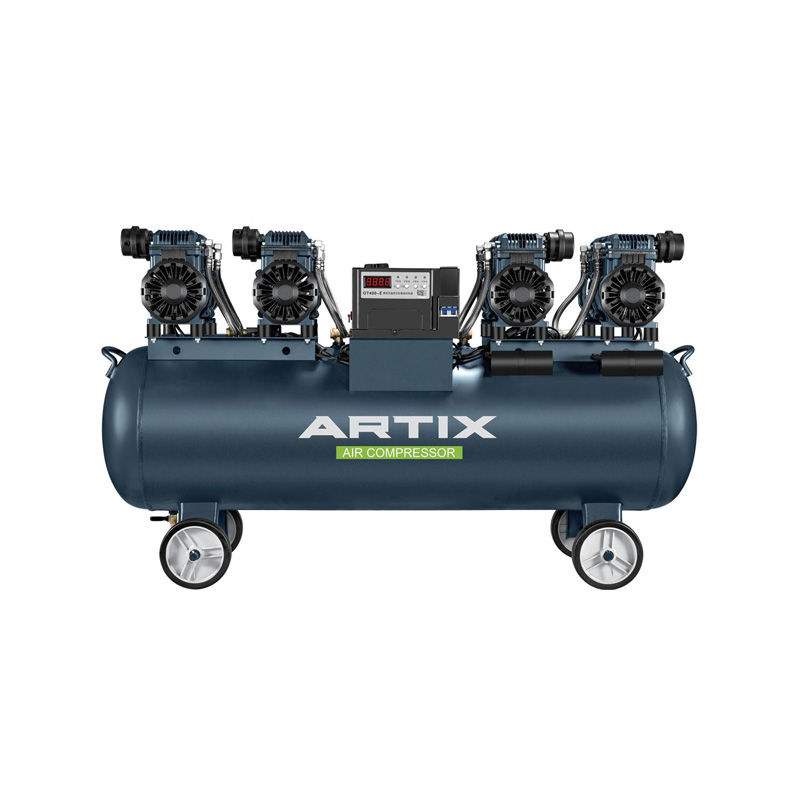
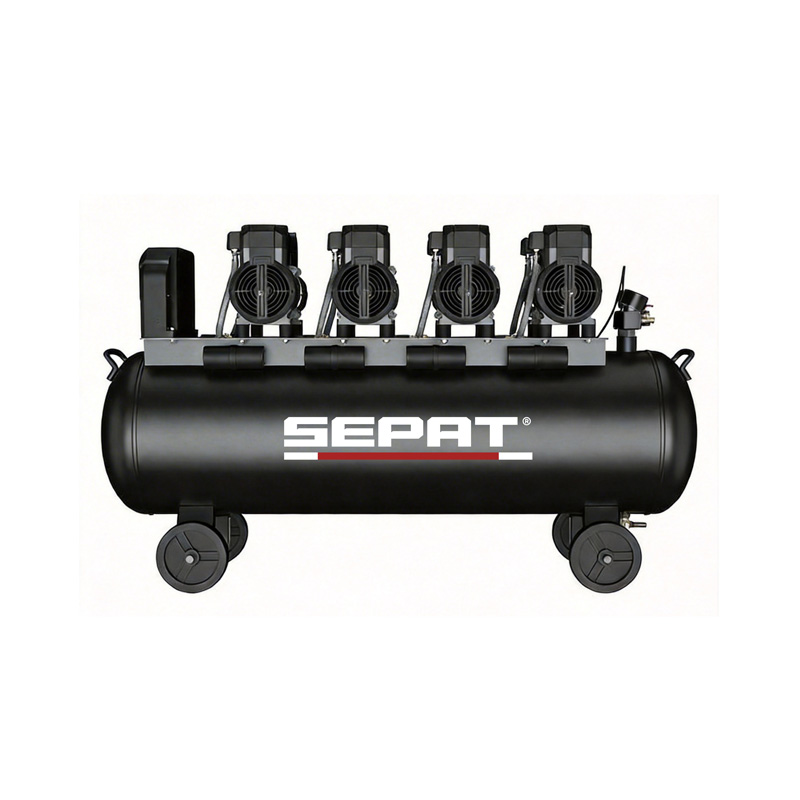
An oil-free air compressor is designed to operate without the need for oil lubrication. Unlike traditional compressors, which rely on oil to lubricate internal moving parts and seal gaps, oil-free compressors use advanced materials and technologies to achieve efficient operation without the risk of contaminating the compressed air. As oil free compressor manufacturers, we understand the value of providing solutions that deliver clean, efficient, and environmentally friendly air compression.
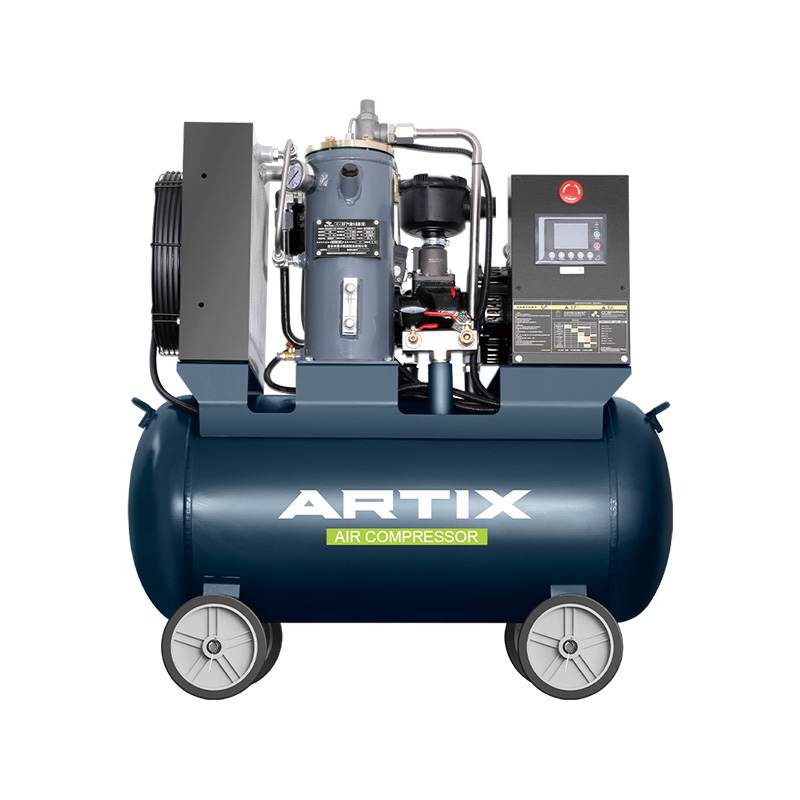
Oil free screw compressors are a popular choice in this category. These compressors rely on two interlocking screws to compress the air without the need for oil-based lubrication. The absence of oil not only makes these compressors more environmentally friendly, but it also ensures that the compressed air is free from contaminants, which is crucial for certain industries.
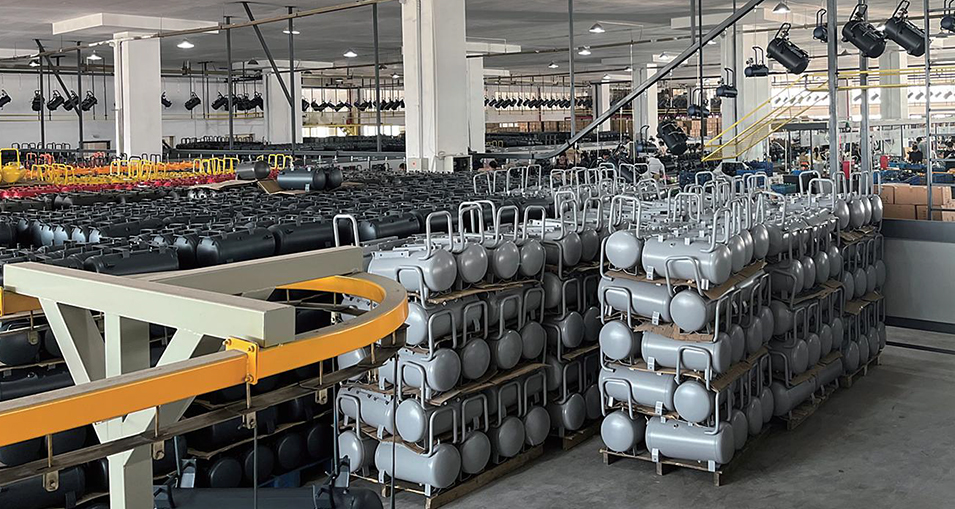
Benefits of Oil-Free Air Compressors
Clean Air for Critical Applications
One of the more significant advantages of oil-free air compressors is the quality of the air they produce. For industries such as pharmaceuticals, food and beverage processing, and electronics manufacturing, even trace amounts of oil in the compressed air can result in contamination and product defects. Oil-free compressors, including oil-free screw compressors, ensure that the air is clean, dry, and free of contaminants, which is critical for these sensitive applications.
Lower Operating Costs
Traditional air compressors require regular oil changes, maintenance, and oil disposal. Oil-free compressors eliminate the need for oil, reducing both maintenance and operating costs. Without the need to monitor oil levels or perform oil changes, businesses can save time and money on routine maintenance. This reduction in maintenance requirements also leads to less downtime, ensuring that your operations run smoothly.
Energy Efficiency
Oil-free air compressors, particularly oil-free screw compressors, are designed with energy efficiency in mind. These compressors operate smoothly and require less power to achieve the same performance as oil-lubricated models. As energy costs continue to rise, businesses are increasingly looking for ways to reduce energy consumption. Oil-free compressors provide an energy-efficient solution that can significantly lower electricity bills and reduce overall operating costs.
Environmentally Friendly
Oil-free air compressors contribute to a more sustainable future by eliminating the need for oil. There is no risk of oil leaks, which can contaminate the environment and pose a threat to water and soil quality. Additionally, since oil-free compressors do not require oil disposal, they help reduce waste and environmental pollution. As industries continue to focus on sustainability, oil-free compressors provide an eco-friendly alternative that aligns with green practices.
Durability and Reliability
Oil-free compressors are designed for durability. Without oil to degrade over time, these compressors can run longer without requiring significant maintenance. Oil-free screw compressors, in particular, are known for their reliable performance, making them ideal for continuous operation in demanding environments. Their robust construction ensures they can handle a wide range of industrial applications.
Applications of Oil-Free Air Compressors
Oil-free air compressors are used across various industries where high-quality compressed air is essential. Key applications include:
Pharmaceuticals: In the production of medicines and medical devices, oil-free air is critical to avoid contamination.
Food and Beverage: Oil-free air is used for packaging, processing, and even in some direct-contact applications.
Electronics Manufacturing: Compressed air is often used in the production of electronic components, where any contamination could result in faulty products.
Automotive: Oil-free air is used in tire inflation, painting, and other production processes.
Laboratories and Hospitals: Where the quality of air is essential for medical equipment and research.